
What Type of Garage Door Rollers Do You Have
If you are trying to figure out what type of garage door rollers you have, the answer usually comes down to four main options: steel, nylon, plastic, and ball bearing rollers, each built with different materials and stem lengths. Most Ontario garage doors use either steel or nylon rollers, and knowing which one you have makes it much easier to spot early wear, choose the right lubricant, and decide when a replacement is worth it. Garage door rollers may appear similar at a glance, but the material inside the wheel changes how much noise they make, how long they last, and how well they hold up against seasonal weather.
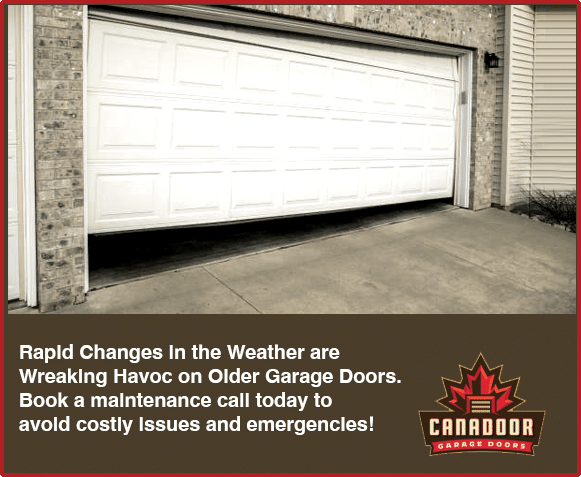
Many homeowners never think about roller type until something starts squeaking or the door feels harder to move, but a quick check can tell you a lot about what you are working with and whether a simple garage door hinge and roller repair is enough to solve the issue. This guide breaks down each roller type so you can identify what is currently installed on your door and understand which option might work best if a change is ever needed.
Steel Garage Door Rollers
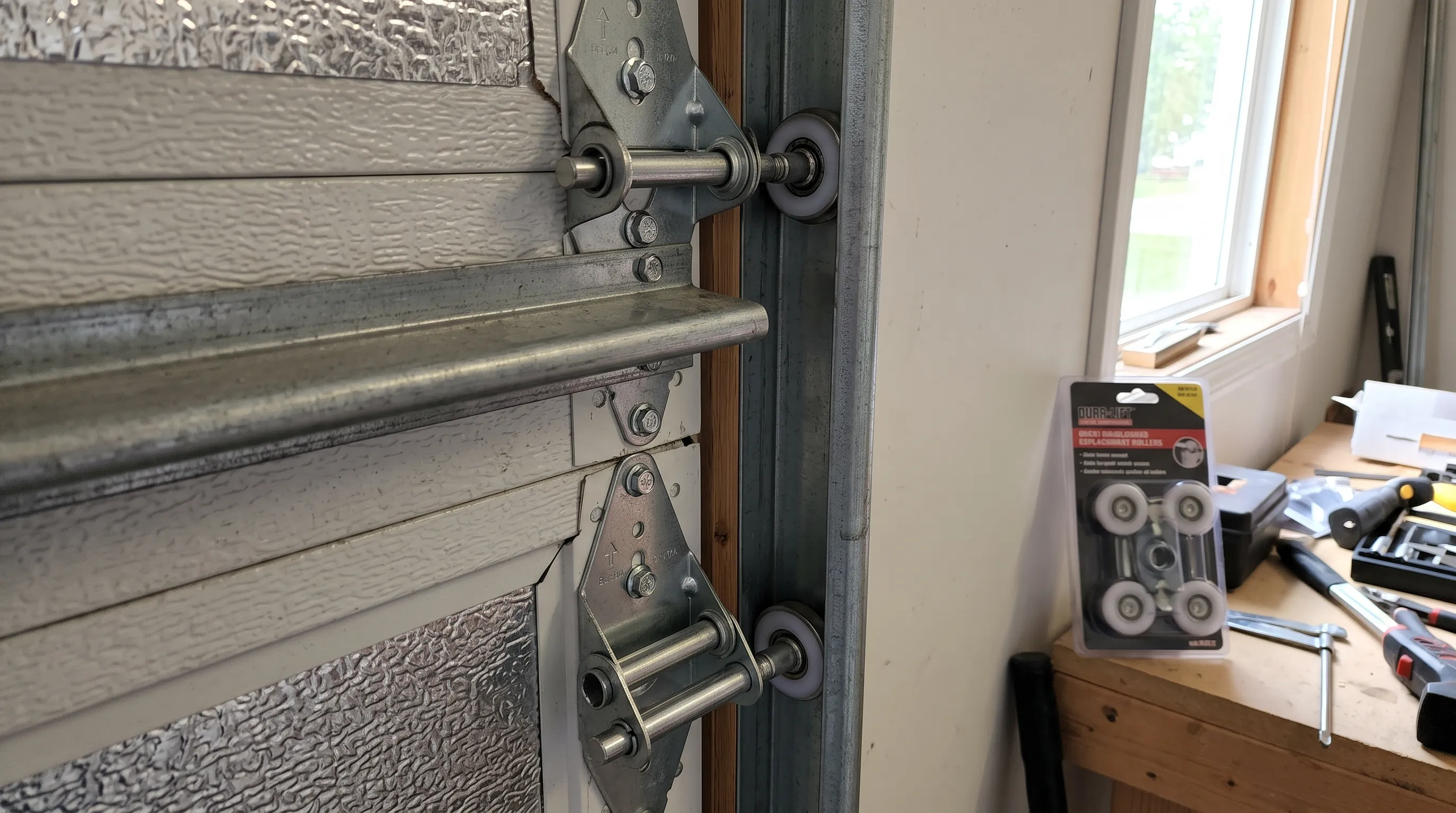
Steel garage door rollers are one of the most common types found on older garage doors across Ontario. They are built to handle heavier doors and daily use, though they tend to run louder than other materials as they wear down.
Why Steel Garage Door Rollers Are Common on Older Doors
- Steel rollers are known for handling heavy wood or older-style doors without bending easily
- They typically last several years, but become noisier as the bearings wear
- Rust is the biggest risk for steel rollers, especially with Ontario’s humid summers and salty winter roads
- These rollers often use a metal wheel with an exposed bearing, which needs regular lubricant to stay quiet
If your steel rollers are already showing rust, grinding, or wobbling, our guide on When to Replace Garage Door Rollers: Warning Signs walks through the signs that mean it is time for a replacement
Nylon Garage Door Rollers
Nylon garage door rollers have become a popular upgrade for homeowners who want a quieter garage door. The wheel itself is made from a durable plastic-like material, while the internal bearing is usually sealed and lubricated for life.
What Makes Nylon Rollers a Quieter Choice
- Nylon rollers run noticeably quieter than steel, which many homeowners notice right away after switching
- Sealed bearings mean nylon rollers rarely need extra lubricant, which cuts down on regular maintenance
- They tend to resist rust completely, since there is no exposed metal wheel to corrode
- Extreme cold can make lower-quality nylon brittle over time, so quality matters in Ontario winters
- Most nylon rollers cost a bit more upfront than steel, though the price can vary depending on the brand and stem length
Plastic Garage Door Rollers
Plastic garage door rollers are the most basic and least durable type, often found on lower cost garage doors or as a temporary replacement part. They are lightweight and inexpensive, but they wear down faster than steel or nylon under regular use.
Where Plastic Rollers Are Typically Used
- Plastic rollers are common on lighter aluminum or vinyl garage doors that do not carry much weight
- They are more likely to crack or flatten after a few years of daily use
- Cold temperatures can make plastic rollers brittle, leading to sudden cracking rather than gradual wear
- They are usually the least expensive option, though they may need replacing more often than steel or nylon
- Homeowners with plastic rollers often benefit from checking them more frequently for early signs of damage
Ball Bearing vs Non Ball Bearing Rollers
Beyond the wheel material, garage door rollers are also grouped by the type of bearing inside the stem. This difference has a big impact on how smoothly the door moves and how long the roller lasts before it needs attention.
How Bearing Quality Affects Roller Performance
- Ball bearing rollers use small steel balls inside the stem, which reduces friction and creates a smoother glide
- Non-ball bearing rollers are simpler and less expensive, but they tend to wear out faster with frequent use
- A worn bearing is one of the most common reasons rollers eventually fail, along with rust, dry lubricant, and daily wear and tear
- Doors that open and close many times a day usually benefit more from ball bearing rollers due to the added durability
Understanding what leads to that wear in the first place can help you choose a more durable option. Our article on What Causes Garage Door Rollers to Fail Over Time? breaks down the most common reasons rollers stop performing well
Garage Door Track Rollers and Stem Length
Not every roller fits every garage door, and stem length is one of the most overlooked details when identifying the right type. The stem is the part that connects the roller wheel to the door hinge, and it needs to match your specific track setup. Getting this wrong is a common reason a simple roller swap turns into a bigger garage door repair.
Why Stem Length and Track Type Matter
- Standard stem rollers are common on doors with a standard track radius
- Long stem rollers are often used with extension spring systems or doors that need more clearance
- Using the wrong stem length can cause the roller to sit incorrectly inside the track, leading to noise or wobbling
- Track rollers should always match the width and curve of your existing track for smooth operation
This Old House offers a helpful overview of garage door components and how the track system works, which can make it easier to understand where rollers fit into the bigger picture
How to Identify the Roller Type on Your Own Door
Figuring out which roller type is currently installed does not require any tools or technical knowledge, just a close inspection of the wheel and stem. This is a useful first step before deciding whether to repair, replace, or upgrade your rollers.
A Simple Way to Check Your Current Garage Door Rollers
- Inspect the wheel material by checking if it resembles metal, hard plastic, or a smoother nylon finish
- Check for a visible seam or seal around the stem, which often points to a ball bearing design
- Count the number of rollers on each side of the door, since most residential doors use several per track
- Note any rust, cracking, or unusual wear, since this can also hint at the roller’s age and material
Family Handyman’s guide on different types of garage doors is a useful resource if you also want to understand how your door style affects roller choice.
If you are still unsure whether to replace the rollers yourself, Should You Replace Garage Door Rollers Yourself? can help you weigh your options
Choosing the Right Roller for Your Garage Door
Knowing your current roller type is only half the picture. The right choice also depends on how often the door is used, how much weight it carries, and how much noise you are willing to live with day to day. Choosing the wrong type can also add strain elsewhere, sometimes leading to a garage door opener repair down the road.
What to Consider Before Choosing a New Roller Type
- Heavier doors generally benefit from steel or reinforced ball bearing rollers for added durability
- Homeowners who want a quieter garage often choose nylon rollers with sealed bearings
- Budget matters too, and cost can vary depending on the roller material, stem length, and brand
- Matching the new roller to your existing track and hinge setup helps avoid installation issues
- A quick inspection now can save you from guessing later when a roller finally needs replacing
How Long Each Roller Type Typically Lasts
Lifespan is one of the biggest differences between roller types, and it plays a big role in long term maintenance planning. Knowing roughly how long your current rollers should last can help you plan ahead instead of waiting for a breakdown.
Comparing Roller Lifespan by Material
- Steel rollers often last around seven to ten years with regular lubricant and occasional inspection
- Nylon rollers can last just as long or longer, since sealed bearings reduce the need for maintenance
- Plastic rollers tend to have the shortest lifespan and may need replacing sooner, especially with daily use
- Ball bearing rollers of any material generally outlast non ball bearing versions due to reduced friction
- Ontario’s seasonal weather can shorten lifespan across all roller types if lubricant is not reapplied regularly
Getting the Right Rollers for Your Garage Door
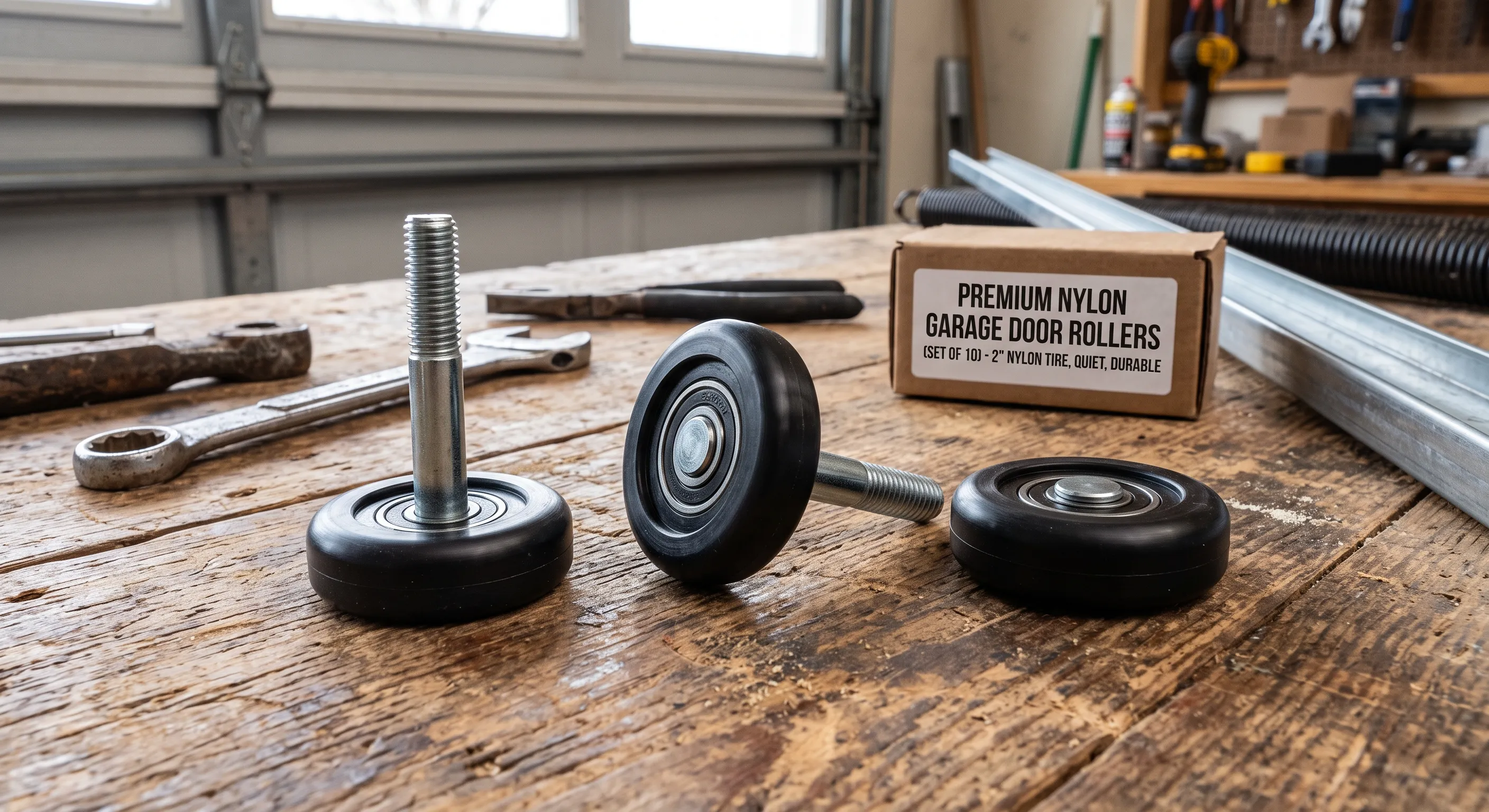
Identifying your current roller type is the first step toward keeping your garage door running smoothly for years to come. Whether you have steel, nylon, plastic, or ball bearing rollers, knowing what you are working with makes future maintenance and decisions much easier, and it helps you ask the right questions if you ever bring in a professional for a closer inspection.
Canadoor Garage Doors helps Ontario homeowners identify, maintain, and replace garage door rollers with the right type for their specific door and usage. We take the time to explain what is currently installed and what your options are before recommending any work. Contact us or give us a call if you would like a professional opinion on which rollers make the most sense for your home.
Frequently Asked Questions
Are nylon rollers better than steel rollers?
Nylon rollers are generally quieter and more rust-resistant, while steel rollers tend to handle heavier doors and last longer under daily use.
How do I know if my rollers have ball bearings?
Ball bearing rollers usually have a visible seal or seam around the stem and tend to feel smoother when spun by hand.
Can I mix roller types on the same garage door?
It is not recommended, since mixing roller types can cause uneven wear and inconsistent movement along the track.
Do all garage doors use the same size rollers?
No, roller size and stem length depend on the door weight, track type, and hinge design, so it is important to match the correct size.
Are plastic garage door rollers a good long term option?
Plastic rollers are budget friendly but tend to wear out faster than steel or nylon, especially with frequent daily use.
Why do my rollers appear different from side to side?
This usually happens when one side has been replaced more recently than the other, which is common after a partial repair.
Does roller type affect how loud my garage door is?
Yes, steel rollers are typically the loudest, while sealed nylon rollers with ball bearings tend to run the quietest.
Can I upgrade from steel to nylon rollers?
In most cases, yes, as long as the stem length and track type are compatible with your current garage door setup.
How many rollers does a typical garage door have?
Most residential garage doors use between ten and fourteen rollers total, depending on the number of panels and hinges.