
What Causes Garage Door Rollers to Fail Over Time?
Garage door rollers usually fail for one of a handful of predictable reasons: dry or missing lubricant, moisture and rust, daily wear from heavy use, poor track alignment, or simple material fatigue as the rollers reach the end of their lifespan. None of these causes happens overnight. They build up gradually, which is why a roller that seemed fine a few months ago can suddenly start grinding, wobbling, or sticking. Ontario’s mix of humid summers and freezing winters tends to speed up several of these causes at once, especially rust and material fatigue, and most homeowners do not realize how much these factors overlap until a roller finally fails.
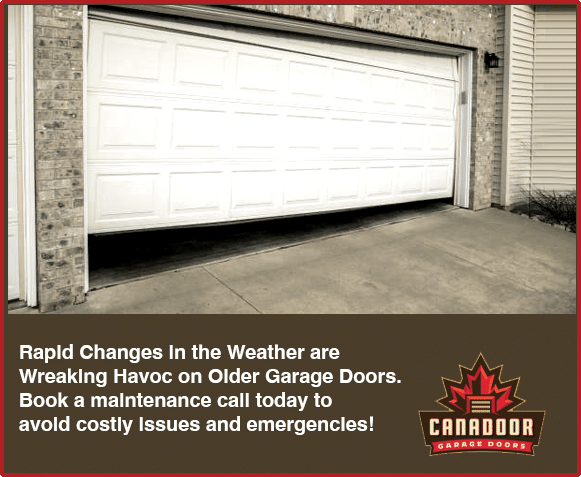
Understanding what actually drives roller failure makes it easier to slow the process down, catch problems early, and know when a roller is nearing the end of its useful life rather than being caught off guard, and whether a garage door hinge and roller repair is enough or a full replacement makes more sense.
Lack of Regular Lubrication
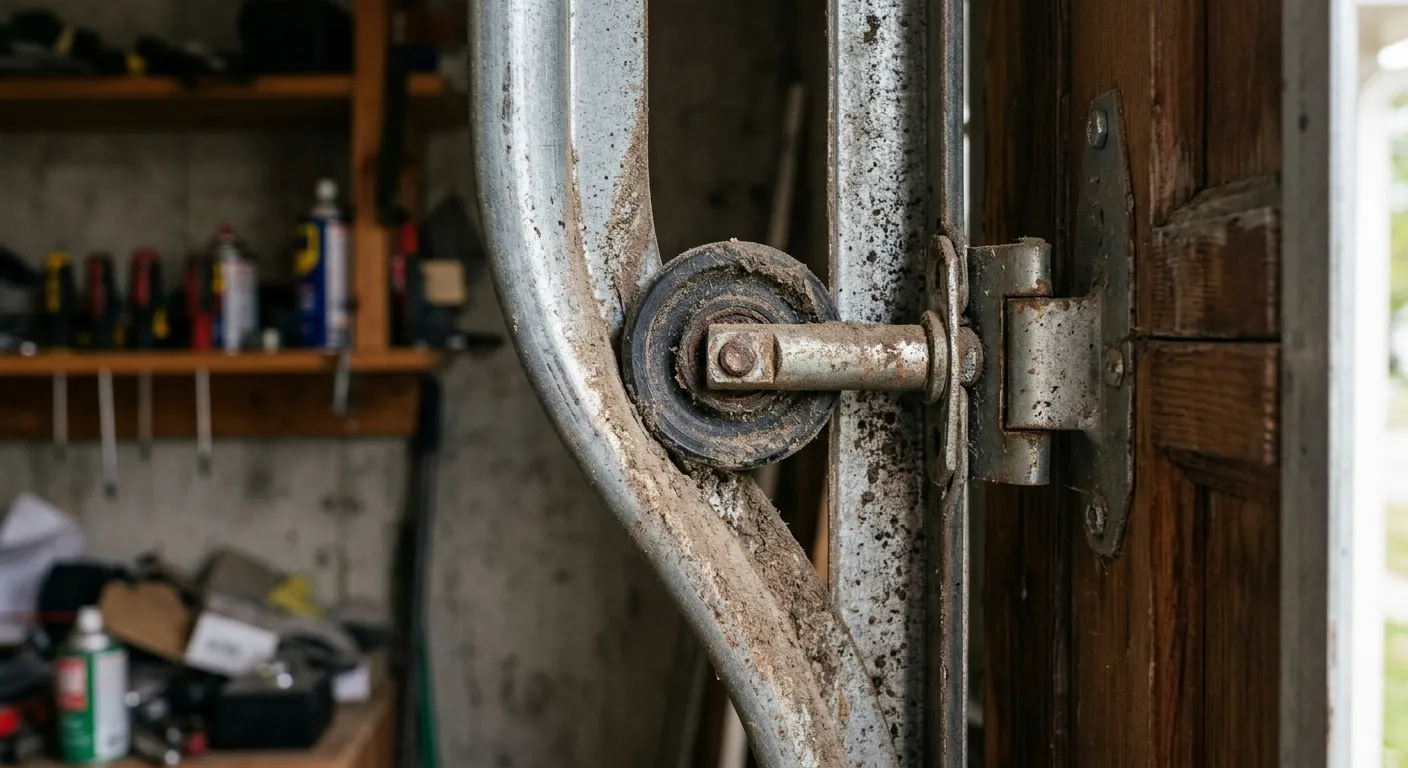
Garage door rollers rely on a thin layer of lubricant to keep the bearing moving smoothly inside the stem. Once that lubricant dries out or washes away, metal parts start rubbing directly against each other, and wear speeds up quickly.
How Dry Lubricant Leads to Roller Damage
- Dry bearings create friction that wears down the inside of the roller faster than normal
- Squeaking or grinding noises are often the first sign that lubricant has worn away
- Dust, dirt, and debris stick more easily to a dry roller, which adds extra wear
- A simple seasonal check with the right garage door lubricant can prevent most of this damage
Lubrication needs can vary depending on the roller material, since some types need it more often than others. Our guide on What Type of Garage Door Rollers Do You Have? explains how steel, nylon, and plastic rollers differ in this area.
Moisture, Rust, and Weather Exposure
Ontario weather is tough on garage door hardware, especially steel components exposed to humidity, rain, and winter road salt. Moisture that gets into the bearing or settles on the roller surface is one of the fastest ways to shorten a roller’s lifespan.
Why Weather Speeds Up Roller Wear
- Humid summer air can lead to condensation forming inside an unsealed roller bearing
- Road salt and slush tracked into the garage during winter accelerate rust on the steel rollers
- Rust weakens the metal, causing pitting, flaking, and eventually a rougher, uneven roll
- Sealed rollers, like many nylon options, resist this type of damage better than exposed steel wheels
- Wiping down tracks and rollers after a wet or salty stretch of weather helps reduce long-term damage
Wear from Daily Use and Door Weight
Every time a garage door opens and closes, the rollers absorb the weight of the door and the friction of moving along the track. Heavier doors and frequent daily use naturally cause rollers to wear down faster than lighter doors used only occasionally.
How Usage Patterns Affect Roller Lifespan
- Doors used multiple times a day put significantly more cumulative stress on rollers than doors used rarely
- Heavier wood or insulated steel doors place extra load on each roller with every cycle
- Rollers positioned near the bottom of the door often show wear before the ones near the top
- Uneven weight distribution, such as an unbalanced spring system, can cause certain rollers to wear faster than others
- Reducing unnecessary open and close cycles, when possible, can slightly extend roller life over time
Poor Track Alignment and Installation Issues
A garage door roller can be brand new and still fail early if the track it runs in is not properly aligned. Bent, loose, or misaligned tracks force rollers to work harder than they should, leading to faster wear and a rougher ride. Left unchecked, this kind of issue often turns into a garage door repair that goes well beyond the rollers themselves.
Signs That Track Alignment Is Causing Roller Problems
- A track that has shifted or bent even slightly can cause rollers to grind against the metal edges
- Loose mounting brackets allow the track to move during operation, adding stress to the rollers
- Rollers that consistently wear unevenly on one side often point to an alignment issue rather than the roller itself
- Poor original installation can set the stage for premature roller failure years down the line
The International Door Association highlights proper installation and alignment as key factors in long-term door performance, and their care and maintenance guidance outlines what a well-maintained system typically involves
Material Fatigue and Age of the Rollers
Even with perfect lubrication and ideal weather conditions, every garage door roller eventually reaches the end of its natural lifespan. Materials break down slowly through repeated stress, a process known as fatigue, until the roller can no longer perform reliably.
Understanding When Age Becomes the Main Factor
- Steel rollers typically show fatigue through cracking, flat spots, or a rougher, less consistent roll
- Nylon rollers may become brittle or develop small cracks once they pass their expected lifespan
- Rollers older than seven to ten years are more likely to fail from age alone, even without obvious damage
- Combining age with any of the other causes on this list, such as rust or dry lubricant, speeds up failure further
If you are noticing several of these issues at once, our article on Should You Replace Garage Door Rollers Yourself? can help you figure out the safest next step
Ignoring Early Warning Signs
Many roller failures that seem sudden actually built up over weeks or months, with warning signs that were easy to miss or brush off. A squeak here or a slight wobble there can feel minor until the roller finally gives out completely, sometimes turning into a garage door opener repair that could have been avoided with earlier attention.
Why Small Signs Should Not Be Ignored
- A noise that comes and goes is often the earliest sign of a developing roller problem
- Small wobbles or hesitations during operation tend to get worse rather than resolve on their own
- Waiting too long to address a failing roller increases the risk of damage to the track, hinges, or opener
Our guide on When to Replace Garage Door Rollers: Warning Signs covers the specific signs worth watching for before a roller fails completely
The Spruce’s overview of common garage door problems and what causes them is a helpful resource for connecting small symptoms to their underlying cause
Simple Habits That Help Rollers Last Longer
While every roller eventually needs replacing, a few consistent habits can meaningfully slow down how quickly the causes above take effect. None of these require special tools or advanced knowledge, just a bit of regular attention.
Small Steps That Reduce Roller Wear Over Time
- Apply a light coat of garage door lubricant to the rollers and hinges a few times a year
- Wipe down tracks after wet, salty, or particularly dusty stretches of weather
- Inspect rollers, brackets, and the track itself during each change of season
- Avoid slamming the door shut or letting it close too quickly, which adds unnecessary stress
- Address small noises or wobbles as soon as they appear instead of waiting for them to worsen
When Several Causes Combine at Once
Roller failure rarely comes down to just one cause. In most real world cases, two or three factors are working together, which is why a roller can seem to fail suddenly even though the damage was building for a while.
Why Combined Causes Make Failure Happen Faster
- Dry lubricant combined with rust creates more friction and speeds up corrosion at the same time
- An older roller under a heavier door wears out faster than the same roller under a lighter one
- Poor track alignment, paired with daily heavy use puts extra strain on rollers that are already aging
- Ontario’s seasonal shifts between hot, humid summers and salty winters make it easier for multiple causes to overlap
- Addressing even one contributing factor, such as adding fresh lubricant, can meaningfully slow down the others
Slowing Down Roller Wear Before It Becomes a Problem
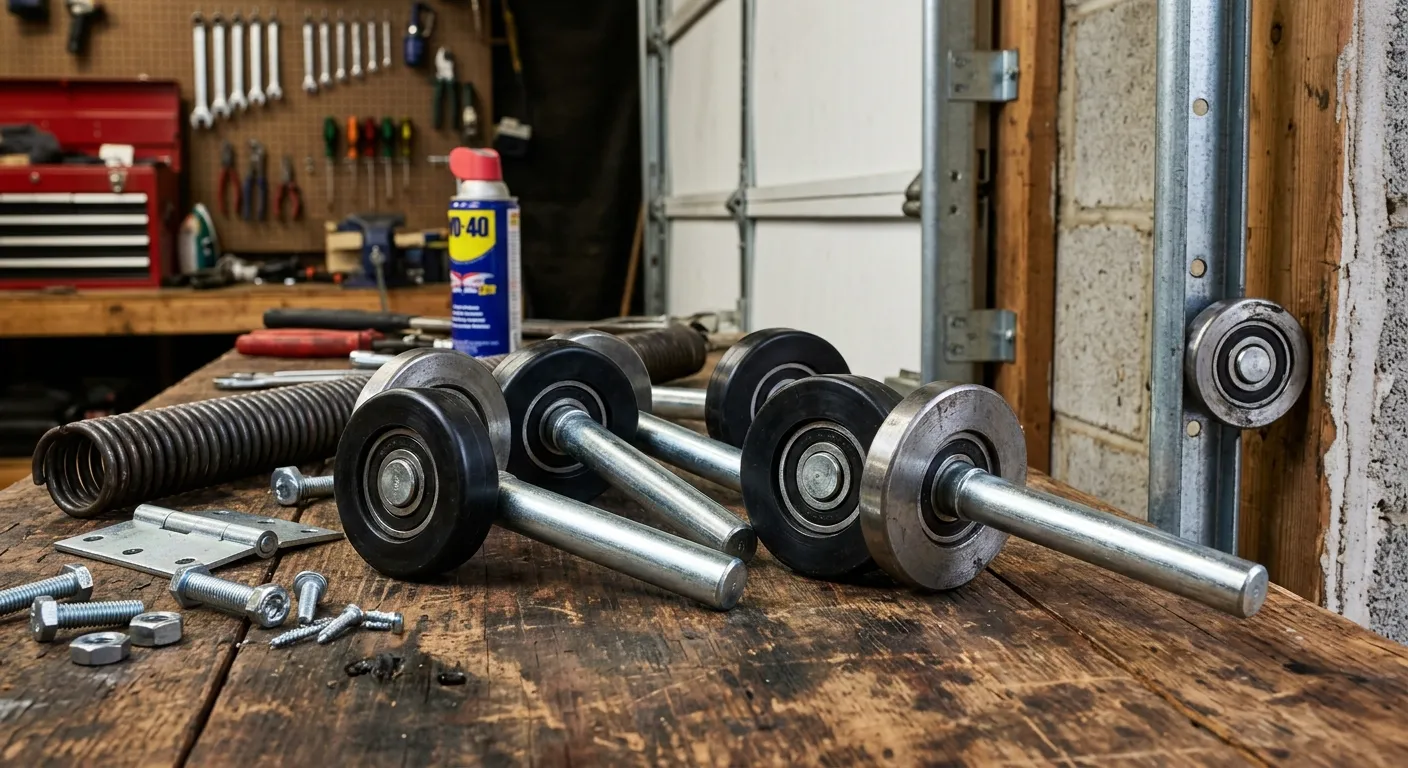
Most of the causes behind roller failure share one thing in common: they get worse with time if nothing is done. Catching these issues early, whether it is dry lubricant, early rust, or a slight misalignment, usually means a simpler and less involved repair than waiting until the roller fails completely. A quick seasonal check is often all it takes to catch these problems before they compound into something bigger.
Canadoor Garage Doors works with Ontario homeowners to identify what is actually causing roller wear and address it before it leads to a bigger repair. We inspect the full picture, including lubrication, weather exposure, and track alignment, rather than treating the roller as an isolated part. Contact us or give us a call if your garage door rollers are showing signs of wear and you want a clear explanation of what is going on.
Frequently Asked Questions
Does humidity really affect garage door rollers?
Yes, humidity can lead to condensation forming inside the bearing and speed up rust on steel rollers, especially during Ontario’s warmer, more humid months.
Can a misaligned track cause a good roller to fail early?
Yes, a bent or loose track forces rollers to work harder than they should, which can lead to premature wear even on a roller that is otherwise in good condition.
How does door weight affect roller lifespan?
Heavier doors place more stress on each roller with every cycle, which generally shortens the roller’s overall lifespan compared to lighter, less frequently used doors.
Is it normal for rollers to fail from age alone?
Yes, rollers naturally wear out from repeated use over time, even without an obvious contributing cause like rust or dry lubricant.
Can rollers fail if I use my garage door several times a day?
Frequent daily use adds up over time and can cause rollers to wear faster than doors that are opened only occasionally throughout the week.
Why do rollers near the bottom of the door wear out first?
Bottom rollers often carry more of the door’s weight and stress during operation, which can cause them to wear ahead of the rollers positioned near the top.
Does the weather have a bigger impact than daily use?
Both play a meaningful role, but weather related issues like rust and moisture tend to compound with regular wear rather than act as a single isolated cause.
Can a small roller noise really turn into a bigger problem?
Yes, minor noise is often an early symptom that gets worse over time if the underlying cause behind it is never addressed.
Is roller failure usually caused by one issue or several combined?
It is often a combination, such as age paired with dry lubricant or rust paired with a misaligned track, rather than a single isolated cause acting alone.