
Should You Replace Garage Door Rollers Yourself?
Whether you should replace garage door rollers yourself depends mostly on where the roller sits on the door and whether the tension side of the spring system is involved. Rollers on the bottom sections, away from the spring cables, are generally more manageable for a confident homeowner to handle. Rollers near the top of the door or close to the torsion spring assembly carry far more risk and are usually better left to a professional.
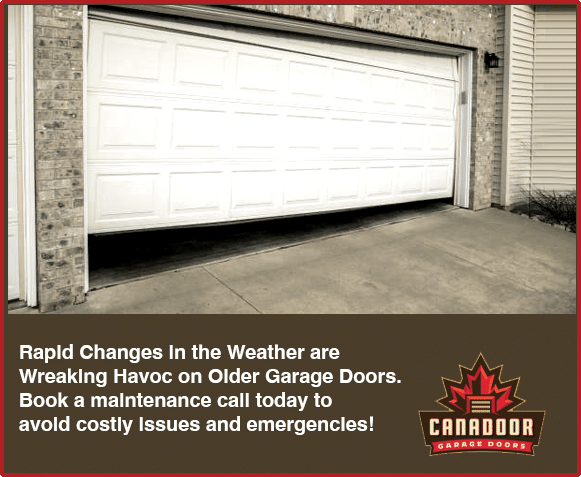
Ontario homeowners often ask this question after noticing one of the warning signs covered in our other guides, and the honest answer is that it comes down to comfort level, the right tools, and how much risk you are willing to take on. There is no single right answer for every situation, since the safest choice really depends on the specific roller, the door type, and your own experience with basic home repairs, and whether a simple garage door hinge and roller repair covers the issue or something more involved is needed. This guide breaks down what is realistically manageable on your own, what is genuinely risky, and how to make the safest decision for your situation.
What Makes Roller Replacement a DIY Friendly Task
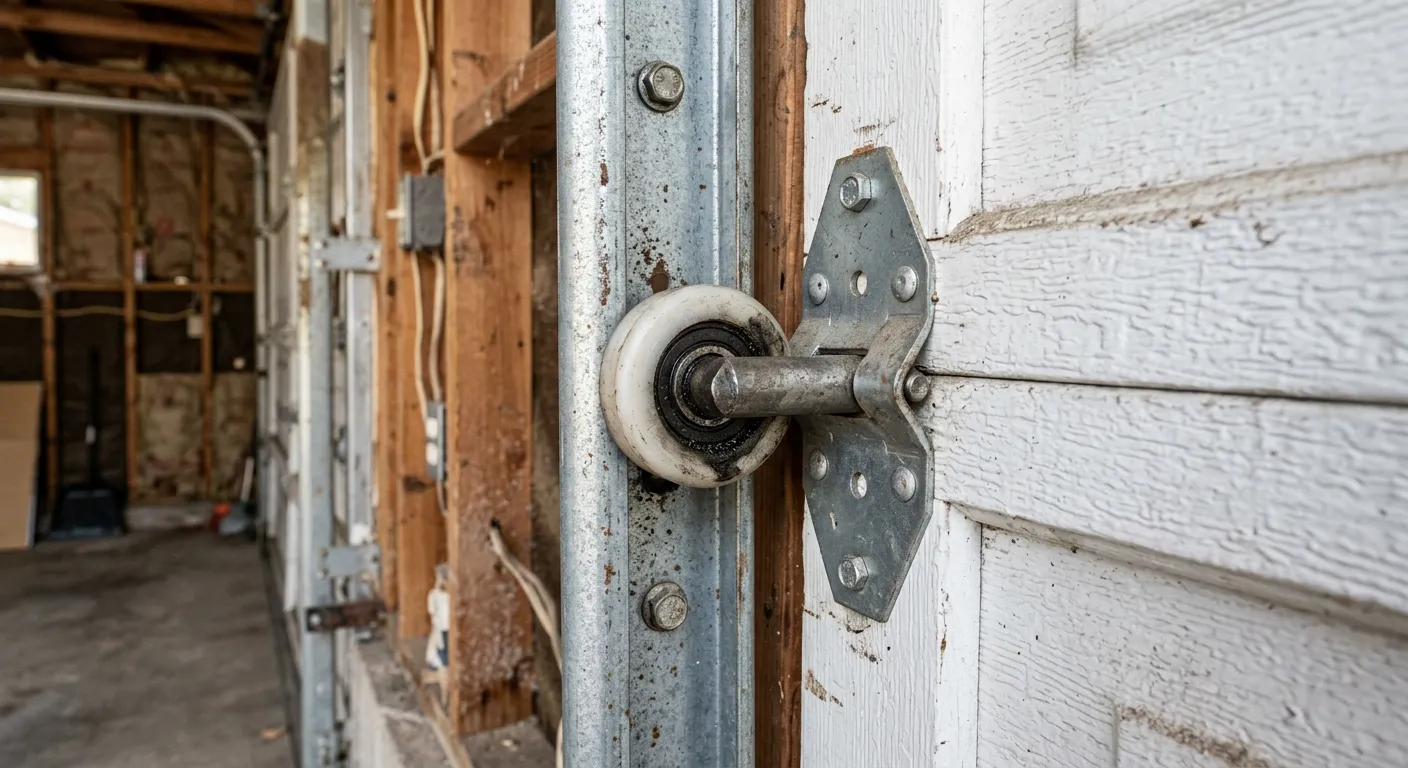
Some roller replacements are straightforward enough for a homeowner with basic tools and a bit of patience. The lower sections of the door, away from the spring system, tend to be the most approachable starting point.
Situations Where DIY Replacement Is Reasonable
- Replacing a roller on the bottom section of the door, away from spring tension, is generally the most manageable option
- Basic hand tools, such as pliers and a screwdriver, are usually enough for a simple bottom roller swap
- Working with the door fully closed and the opener disconnected reduces the risk of unexpected movement
- Taking photos before removing any hardware makes reassembly easier if you get stuck partway through
Having the correct replacement roller on hand, matched to your current type and stem length, makes the process much smoother. Our guide on What Type of Garage Door Rollers Do You Have? can help you identify what you need before starting
When Roller Replacement Becomes Risky to Do Alone
Not every roller sits in a safe or simple position, and some jobs carry real risk even for handy homeowners. The rollers closest to the torsion spring assembly or high track sections fall into this category.
Why Some Rollers Are Not Worth the Risk
- Rollers near the top track or close to spring cables involve working under tension, which can cause sudden and forceful movement
- A garage door under spring tension can release with enough force to cause serious injury if handled incorrectly
- Doors with multiple failed rollers at once often indicate a bigger issue that goes beyond a simple swap
- Working at height on a ladder near moving door sections adds another layer of risk that many homeowners underestimate
If several rollers are failing due to an underlying cause rather than simple age, it may be worth understanding What Causes Garage Door Rollers to Fail Over Time? before deciding whether a full DIY approach still makes sense
What the Basic Process Generally Involves
Without getting into a full step-by-step walkthrough, it helps to understand roughly what roller replacement involves before deciding if it is something you want to take on. This overview is meant to give you a general sense of the scope, not a complete guide.
A General Overview of What Roller Replacement Involves
- Securing the door in a stable position before removing any hardware
- Removing the hinge or bracket holding the roller in place
- Sliding the old roller out of the track and replacing it with a properly matched new one
- Reattaching the hinge or bracket and testing the door’s movement carefully before regular use
- Confirming that the new roller sits evenly and moves smoothly within the track
Safety Precautions You Should Never Skip
Garage doors are heavier and more dangerous than they appear, and a few precautions make a real difference regardless of how confident you feel. Skipping these steps is one of the most common reasons DIY garage door projects go wrong, sometimes ending in an unexpected garage door opener repair on top of the original roller issue.
Non-Negotiable Safety Steps for Any DIY Roller Work
- Always disconnect the garage door opener before working on any part of the door
- Never attempt to work near or adjust the torsion spring system without proper training and tools
- Use safety glasses and gloves when handling metal rollers, brackets, and hardware
- Keep children and pets away from the work area while the door is open or partially disassembled
The Door and Access Systems Manufacturers Association’s DASMA safety tips outline additional precautions worth reviewing before starting any garage door project
Signs You Should Call a Professional Instead
Certain warning signs are a clear signal that the situation is better handled by a trained professional with the right equipment. Recognizing these signs early can prevent a simple project from turning into an injury or a bigger repair bill.
When Professional Help Is the Safer Choice
- If the issue involves the torsion spring system in any way, professional help is strongly recommended
- A door that is severely off track or visibly bent should not be forced back into place without proper equipment
- If you do not have the correct tools or replacement parts on hand, waiting for a professional is safer than improvising
The Spruce’s guide on replacing garage door springs is a good example of just how much risk is involved once tension components are part of the job, even for otherwise handy homeowners
Multiple rollers failing at once, especially alongside the symptoms in our When to Replace Garage Door Rollers: Warning Signs guide, often point to a bigger issue worth a professional inspection.
What to Expect When You Hire a Professional
If you decide a professional is the safer route, knowing what typically happens during a service call can help set expectations. A straightforward roller replacement is usually a quick visit, though the scope can grow if other components are involved.
What a Professional Roller Replacement Typically Involves
- An initial inspection to confirm which rollers need replacing and whether other parts are affected
- A discussion of roller options, since cost and material can vary depending on your specific door and needs
- Replacement of the affected rollers, along with a check of the surrounding hardware and track
- A final test of the door’s movement and balance before the technician finishes the visit
- Advice on maintenance going forward to help extend the life of the new rollers
Getting Prepared Before You Start Any Roller Work
If you have decided a bottom roller swap is within your comfort zone, a bit of preparation goes a long way toward keeping the project safe and straightforward. Rushing into the job without the right parts or a clear plan is one of the most common reasons DIY attempts run into trouble.
What to Have Ready Before Beginning
- Confirm the correct roller type, material, and stem length before purchasing a replacement
- Set aside enough uninterrupted time so you are not rushing through safety steps
- Clear the work area of clutter, vehicles, and anything that could get in the way
- Have a helper nearby, even for a simple job, in case you need an extra set of hands
- Keep the manufacturer’s guidance or your door’s manual on hand for reference if questions come up
Weighing the Time and Risk Against the Benefit
Before deciding either way, it helps to think honestly about what you are trying to gain by doing the work yourself. For some homeowners, the appeal is mainly about cost, while for others it is simply the satisfaction of handling home repairs independently. Either way, it’s worth being honest about whether a mistake could turn a simple job into a costlier garage door repair.
Questions Worth Asking Before You Decide
- Do you have the correct replacement roller on hand, or would you need to make a separate trip to get one
- Are you comfortable working around the door while it is partially open or disassembled
- Is this a single roller issue, or does it seem connected to a bigger problem with the track or springs
- How much time are you realistically able to dedicate to the project without rushing through safety steps
- Would the potential savings be worth it if something went wrong and required a professional to correct
Making the Right Call for Your Garage Door
Deciding whether to replace garage door rollers yourself really comes down to where the roller is located, how comfortable you are working around tension components, and whether the right tools and parts are available. A simple bottom roller swap is often reasonable, while anything involving springs or multiple failed rollers is worth leaving to a professional. When in doubt, choosing the safer option is almost always the better decision, even if it means spending a bit more upfront.
Canadoor Garage Doors is available to Ontario homeowners who would rather have a professional handle roller replacement, whether it is a straightforward swap or a more involved repair. We are happy to walk through what we see during an inspection and explain the reasoning behind our recommendations, so you always understand what is happening with your door. Contact us or give us a call if you would like an honest assessment of whether your situation is safe to handle yourself or better left to our team.
Frequently Asked Questions
What tools do I need to replace a garage door roller?
Basic tools like pliers, a screwdriver, and work gloves are usually enough for a simple bottom roller replacement on most residential garage doors.
How long does a DIY roller replacement usually take?
A single bottom roller swap can often be completed in under an hour, though timing depends on your experience level and the door’s overall condition.
Can I damage my garage door by replacing a roller incorrectly?
Yes, an incorrectly installed roller can cause the door to run unevenly, create excess noise, or come off the track during regular operation.
Should I disconnect the garage door opener before starting?
Yes, disconnecting the opener is an important safety step before working on any part of the door or rollers, even for a simple bottom roller swap.
Is it dangerous to work near garage door springs?
Yes, torsion and extension springs hold significant tension and can cause serious injury if handled without the right training, tools, and experience.
How do I know if my roller issue is more serious than it appears?
Multiple failed rollers, a severely misaligned door, or visible damage to the track usually indicate a bigger issue that goes beyond a simple swap.
Can I buy replacement rollers at a regular hardware store?
Many basic rollers are available at hardware stores, though matching the correct type and stem length to your existing door is important for a proper fit.
What happens if I install the wrong size roller?
An incorrectly sized roller can cause binding, noise, or premature wear, and it may not fit securely inside your existing track at all.
Is it cheaper to replace rollers myself instead of hiring a professional?
DIY replacement can save on labour costs for simple jobs, but overall cost can vary depending on the parts needed and whether professional help ends up being necessary for safety reasons.