When it comes to garage doors, understanding common problems can save you a lot of time and stress.
Take broken springs, for instance. These vital components bear most of the weight of the door, and when they break, your door may suddenly become unusable. Think of it like a car’s suspension; if a spring goes out, the whole system can collapse. It’s important not to underestimate the potential danger—working with high-tension springs is best left to professionals who know how to handle them safely.
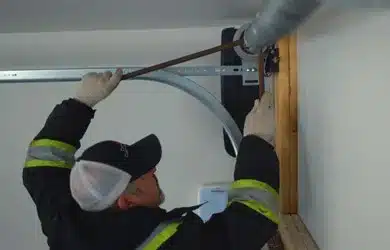
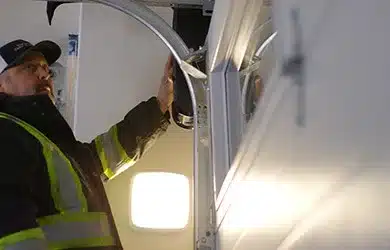
Then there are misaligned tracks. This often manifests as a grinding noise or unusual resistance when trying to open or close your garage door. Misalignment occurs due to several factors, such as wear and tear or impact from a vehicle. The good news? Professional technicians can easily realign those tracks, ensuring your door operates smoothly and quietly.
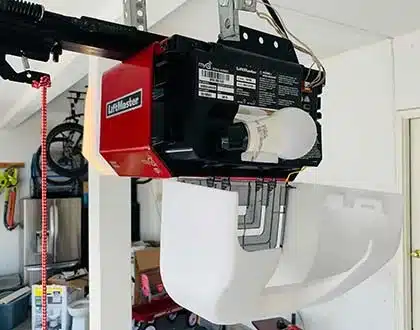
Opener malfunctions are also quite common. Have you ever reached for your remote only to find that it doesn’t respond? A malfunctioning opener can stem from dead batteries or more complex electrical issues. Technicians typically begin by diagnosing the electrical connections before deciding if replacing parts is necessary.
Understanding these issues isn’t just about awareness; it empowers you as a homeowner to take action quickly. For example:
It’s noteworthy that approximately 70% of garage door problems result from broken springs or faulty openers—so keeping these components in check is essential for long-term functionality.
Recognizing these common problems early provides homeowners with the opportunity to maintain their garage doors effectively, avoiding small inconveniences from turning into expensive repairs in the future. Now, let’s explore some important criteria for selecting the right functionalities for your garage door system.