
Can a Damaged Garage Door Be Repaired? Here’s What You Need to Know
Can a Damaged Garage Door Be Repaired? Here’s What You Need to Know
Is the rumble of your garage door waking up your dog? Or have you noticed a mysterious dent that just wasn’t there yesterday? Rest assured, your garage door has not declared war on you. Much like the human body, it’s subject to occasional scrapes and bruises. But here comes the million-dollar question: can a damaged garage door be repaired? We’re peeling back the steel curtain in today’s post, revealing everything you need to know about garage door repair! Buckle up for a revelation that might just save you from a replacement.
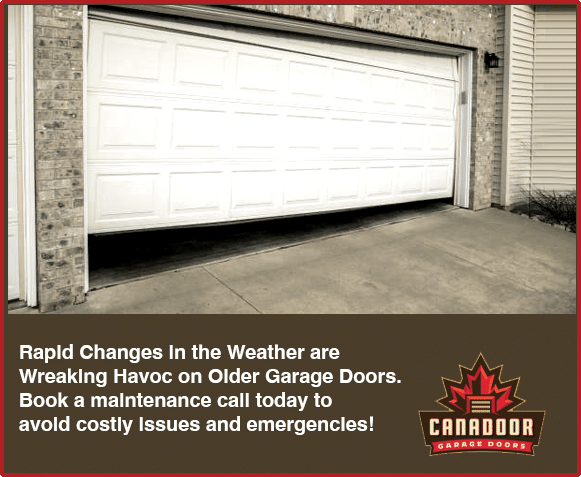
Yes, a damaged garage door can often be repaired depending on the extent of the damage. Our team of experienced technicians can assess the damage and provide recommendations for repairs or replacement. We offer prompt service and industry-leading warranties on all of our products and services to ensure your garage door is in top condition. It’s important to address any damages promptly to avoid further damage and potential safety hazards.
Common Types of Garage Door Damage
Garage doors are subject to a lot of wear and tear over time. Anything from natural elements like rain, wind, and heat can quickly damage your garage door. It’s important to identify the cause of the damage so that you can take the appropriate corrective measures. Here are some of the most common types of garage door damage:
Bent or Misaligned Tracks: When the tracks that hold the garage door in place become dented or shifted out of position, it can cause the garage door to malfunction. This issue is often caused by accidental impact with a vehicle or another object.
Warped Panels: Panels that become warped create an uneven surface that makes it difficult for your garage door to close properly. The underlying causes may include exposure to extreme weather conditions like heavy rain or exposure to strong sunlight.
Broken Springs: Probably the most frequently occurring issue with a damaged garage door, broken springs are usually noticeable due to strange noises emanating from the door. Springs have a finite life span and typically last around six years before needing replacement.
Cracks and Dents: Small cracks in your garage’s panels can sometimes be ignored, but this can lead to bigger issues. Weather elements and general household use will exacerbate these cracks causing larger problems which will inevitably require professional repairs.
Rusting Hardware: Rust on your garage door’s hardware shouldn’t worsen to any significant extent as long as it’s not severe, however, as soon as you notice any rust it’s recommended that you clean and treat it to prevent corrosion spread.
Just like every other mechanism with moving parts, climate changes structures over time and harsh environmental factors applied on them inevitably leads to wear and tear. Your car might need new tyres after so many miles driven, similarly replacing parts on your car helps keep you safe on the road, replacing parts on your garage door insures safety in the home as well as prevent damage from becoming any worse.
Knowing the type of damage it’s now time to move into the common types of garage doors issues in particular is “Garage Door Spring Issues”.
Garage Door Spring Issues
The springs are an essential part of your garage door setup. They play a crucial role in raising and lowering the door, so when they break down, your garage door can be one of the most challenging things to operate. Here are few common spring-related damages:
Stretching Springs: After immense use or under high tension, it’s possible that a garage door spring will become loosened and begin stretching over time. You’ll notice them looking more elongated than usual.
Temperature Related Damage: During temperature fluctuations, springs undergo expansion and contraction repeatedly. This can create strain on their structural integrity over time and eventually cause them to crack or break.
Rusting Springs: As with other hardware components linked with water damages rusting might occur depending upon environmental conditions. If rust isn’t treated immediately, it can cause longevity issues for your garage door’s spring system.
DIY repair Tips: Fixing a damaged garage door spring is not just risky but dangerous if done incorrectly. Even though some people feel comfortable attempting DIY spring repair projects, we recommend against this due to potential hazards.
Failing to address faulty garage door springs is like driving around with malfunctioning brakes on a car. You wouldn’t put yourself at risk by operating an unsafe vehicle, why risk damaging property or possibly injuring unsuspecting family members by not repairing broken springs on a overhead garage doors?
It’s essential to call for professional help any time you detect problems related to garage door spring damage. Next, we will delve further into examining the factors that influence a decision to either repair or replace your garage door in our next section.
Damaged Profiles and Hardware
Garage doors are comprised of several moving parts, including profiles and hardware, which can become damaged over time. The profiles of a garage door are the long, horizontal slats that fit together to create the door’s structure. Hardware refers to all of the metal components that hold the door together, including rollers, hinges, cables and tracks.
If your garage door has damaged profiles or hardware, you may notice that it doesn’t open or close smoothly or operates more loudly than usual. Depending on the severity of the damage, these issues may be repairable.
For instance, if a single profile is bent or dented, it can be replaced with a new one with ease by an experienced technician. Similarly, if a hinge or roller is worn out or broken, it can be replaced. These types of minor issues can typically be repaired without having to replace the entire door.
However, some situations require more extensive repairs. If several profiles have been severely dented or damaged beyond repair or if multiple pieces of hardware need replacing, it might be more practical to replace the entire garage door rather than trying to mend it.
Experts advise that when multiple parts of a garage door need repairs, homeowners should seriously consider replacing their garage door entirely rather than just repairing parts of its structure. This is because making piecemeal fixes could end up being more costly in the long run as such repairs often only provide temporary solutions for faltering units.
Moreover, attempting DIY fixes for damaged profiles and hardware could further worsen problems and make them even costlier to fix.
Naturally, home owners often believe they can cut expenses by undertaking DIY fixing projects; however nonprofessionals usually underestimate how challenging repairing garage doors are and risk injuring themselves in the process of trying to fix something they’re not familiar with.
In addition to safety matters, repairing garage doors on your own might reduce the appeal of the entire home and fetch less money when selling it in the future if the job is not properly done.
It is much wiser instead to invest in professional services from reputable garage door repair companies like Canadoor Garage Doors.
- According to a report by the United States Home Repair & Maintenance Industry, about 32% of all house calls for garage issues involve damage that can be repaired instead of needing full replacement.
- A study conducted by the International Door Association suggests that approximately 80% of common garage door malfunctions, including damaged panels or broken springs, can be repaired on-site by experienced technicians.
- The National Association of Garage Door Manufacturers reports that routine maintenance can increase the lifespan of a garage door by up to 25%, making repair a feasible option in many cases.
Repairing vs. Replacing Your Garage Door
While minor damages and issues with garage doors can be quickly repaired, some repairs may require a more significant investment or outright replacement of hardware. Factors that should assist home owners with making decisions on whether to have their damaged garage doors repaired or replaced include age and condition of the unit, cause of damage, extent of existing damage, financial resources available and overall safety concerns.
Garage door professionals typically suggest replacing older garage doors that are more than 15 years old nearing their lifecycle, experiencing recurrent breakdowns and issues or those that have been poorly maintained over time. Faulty groundwork that isn’t noticeable could cause severe accidents, so it’s important to seek help from an expert to avoid compromising on safety measures.
For younger garages requiring local fixes such as broken springs, frayed cables or sensors performing faulty, it’s best not to overlook them and seek experienced guidance by having a free inspection by a garage door technician. Always remember however that avoiding timely repairs can lead to greater problems down the line, particularly with components especially sensitive for wear-and-tear such as gears in motors.
In rare cases where home owners would rather upgrade their garages attempting to restructure their overall home outlooks or replacing units for aesthetic purposes; there’s always the option to have bespoke-designed garage doors installed. Nonetheless, these types of installations are often more costly than opting for off-the-shelf options available in garage door showrooms like Canadoor Garage Doors.
If you opt for a high-end custom design, several factors will influence the price, including the size, quality of materials used and other special features like windows and lighting.
Conversely, opting for a new sectional or roller-type garage door comes with several benefits that go beyond getting rid of what appears to be a prevalent eye-sore. A new garage door will not only have updated safety features but also increase your overall home value by up to 4%.
Similarly, replacing old doors with state of the art automatic systems that include quiet belt drivers or smartphone integration can bring an enormous amount of convenience that homeowners had never thought possible.
In case where there is no budget available for complete replacement, knowing that salvaging a damaged door could result into longer repair periods and in some cases require far stronger motors that consume more electricity would hint that it’s better to just instal new units altogether.
Feasibility of DIY Repairs
When you notice damage to your garage door, there might be a natural temptation to want to fix it yourself. After all, many people are handy with tools and believe they can handle repairs on their own. However, it’s important to consider whether or not it’s truly feasible for you to do so.
For those with experience in dealing with home repairs, attempting to fix garage door damage might seem like a natural step. And in some cases, this may be true. For example, if you discover damage to the tracks that hold the door in place, it’s possible that you could replace them easily enough on your own. Similarly, sometimes adjusting the sensors that keep the door from closing when an object is in the way can be accomplished through DIY methods.
However, in many other cases, repairing a damaged garage door requires specialised knowledge and tools that most people simply don’t possess. For instance, if you hear strange noises coming from your garage door opener or if the entire system has stopped working altogether, you may need professional assistance in order to diagnose the issue and make necessary repairs.
Additionally, even if you think you have a handle on what needs to be fixed with your garage door, there’s always a risk of causing further harm to the system by attempting DIY repairs. If you don’t understand how everything works together or if something else is wrong in addition to what you think needs to be fixed, you could end up making things worse rather than better.
Think of it like trying to fix a car without any prior experience or knowledge. While there are certain basic maintenance tasks that most people can handle (such as checking tyre pressure or filling up fluids), anything more complicated is typically better left to professionals who know what they’re doing. The same goes for garage doors; unless you have real expertise in this area, attempting major repairs on your own could be more trouble than it’s worth.
So, if DIY garage door repair isn’t always a great idea, what should you do instead? The next section will explore why seeking professional inspection and repair estimates is often the best course of action.
- Repairing a damaged garage door might seem like an easy task, but it can require specialised knowledge and tools that most people do not possess. Attempting DIY repairs can lead to further harm or making things worse instead of better. Therefore, seeking professional assistance is often the best course of action for ensuring safety and proper functioning of your garage door.
Professional Inspection and Repair Estimates
When faced with a damaged garage door, it’s typically a good idea to consult with a professional who can help diagnose the issue and recommend the appropriate course of action. But what does this process actually involve?
Firstly, it’s important to find a reputable company or technician to work with. This may involve doing some research and reading reviews online, or asking for recommendations from friends and family members who have had similar work done. Once you’ve found someone you trust, they will typically come out to your home or business to inspect the damage in person.
During this inspection, the technician will likely check for any issues that might be contributing to the visible damage (such as ageing springs or hardware). They may also test various components of the system to ensure everything is working as it should be. From there, they should be able to give you an estimate for how much it will cost to make necessary repairs.
Of course, just because you have an estimate in hand doesn’t necessarily mean that you need to proceed with the recommended work right away. It’s always your choice whether or not you want to invest in repairing your current garage door vs. replacing it entirely. But having an estimate can at least give you a better sense of what is at stake financially.
Think of it like getting your car inspected at a mechanic shop; while they may suggest certain repairs that should be made for optimal performance, you’re not obligated to do everything all at once. You may choose to prioritise urgent repairs over more minor ones, for example.
Ultimately, deciding whether or not to invest in professional garage door repair is a personal choice that depends on many factors. But by being aware of your options and seeking expert advice, you’ll be in a better position to make an informed decision.
Locating a Competent Repair Technician
When it comes to repairing your damaged garage door, it’s imperative to find a competent repair technician. Your garage door is a significant investment in your home, and you don’t want just anyone tinkering with it. A dependable and experienced technician is essential to have the job done right, leaving you satisfied.
One way to locate a competent repair technician is through referrals from family, friends, or neighbours who have had their garage doors repaired before. These individuals can provide valuable information about their experience with the technician and the quality of the work completed.
Additionally, doing some online research and reading reviews from previous customers can help in finding a reputable and reliable technician. Look for technicians with high ratings and positive feedback on platforms such as Google, Yelp, or their website’s testimonial page.
However, relying only on online reviews could be problematic since some dishonest companies may provide fake reviews or hire people to write favourable feedback. It’s important to check if these services have an image gallery of their previous work so that you know what type of results you can expect.
Finding a competent technician is similar to finding a reliable auto mechanic or physician. Referrals are imperative; likewise, going online for feedback is helpful but limited in scope. Word-of-mouth referrals by people that you trust could save you complications in the long run.
Once you’ve identified potential technicians, it’s crucial to dig deeper into their experience and qualifications before finalising your decision.
Financial Considerations: Cost and Replacement Options
Replacement garage doors vary significantly in cost depending on various factors such as model type, material used, style preference, installation fees etcetera-. On average, replacing a garage door may cost between $700 – $3000 CAD including all expenses.
The cost of replacing a garage door might seem like an excessive investment initially. However, the value it adds to your home in terms of aesthetic appeal and security is far more beneficial. Depending on the quality of the initial installation, many garage doors will function correctly and require a minimal number of repairs throughout their lifespan.
It’s important to keep in mind that hiring a licenced technician for replacement ensures proper installation, which leads to fewer repairs over time. Though the price tag may seem daunting, taking a long-term approach to the health and longevity of your garage may ultimately provide substantial savings.
When it comes to fixing your garage door, always weigh the cost of repairing against that of replacement. Generally, if frequently replacing parts or dealing with specific issues, fixing those problems only to have them continually reoccur would likely end up costing you more than investing upfront in new models.
Waiting until there are too many breakdowns before opting for repair or replacement is similar to letting your car’s engine seize before replacing it entirely. Don’t wait for something as significant as complete failure before making necessary decisions.
Responses to Frequently Asked Questions with Explanations
Are there any preventative measures that can be taken to minimise the likelihood of a garage door becoming damaged?
Yes, there are preventative measures that can be taken to minimise the likelihood of a garage door becoming damaged. Firstly, regular maintenance is extremely important in preventing damage. According to a survey conducted by the International Door Association, 71% of garage door failures are caused by a lack of maintenance.
Regular maintenance should include lubricating moving parts, tightening any loose bolts or screws, and checking for signs of wear and tear. Secondly, installing a weather seal around the perimeter of the garage door can help prevent moisture from seeping in and causing damage.
Another preventative measure is to avoid hitting the garage door with vehicles or other objects. This may seem obvious, but it happens more often than you would think. In fact, according to a survey by Chamberlain Group Inc., almost one-quarter of homeowners have accidentally hit their garage door with a car.
In conclusion, taking preventative measures such as regular maintenance and avoiding collisions can greatly reduce the likelihood of a garage door becoming damaged. It is important to invest time and effort into maintaining your garage door in order to avoid costly repairs down the road.
How much can one expect to pay for repairing a damaged garage door compared to replacing it altogether?
If you’re experiencing issues with your garage door, it’s important to weigh the pros and cons of repairing versus replacing it altogether. The cost of repairing a damaged garage door can range from $100 to $600 on average, depending on the extent of the damage and the parts needed. In contrast, replacing a garage door can cost anywhere from $500 to $2,500 or more depending on the material, insulation, and size of the door.
While repairing a garage door may seem like a more cost-effective solution upfront, it’s important to consider the longevity of the repair versus that of a replacement. If your garage door has significant damage or is approaching the end of its lifespan, it may be more prudent to replace it instead. Additionally, newer models may offer better energy efficiency and security features.
At the end of the day, whether to repair or replace a damaged garage door ultimately depends on several factors unique to each situation. It’s best to consult with a professional garage door technician who can assess your specific needs and provide informed recommendations based on your budget and preferences.
How can one determine if a damaged garage door is repairable or needs to be replaced?
If you’re wondering whether your damaged garage door can be repaired or if it needs to be replaced, there are a few things to consider.
First, the extent of the damage is a crucial factor. Minor dents and scratches on the surface of the door can usually be fixed with some simple repairs such as repainting or replacing individual panels. However, if your garage door has suffered structural damage such as a bent or broken track, warped door panels, or a damaged motor, you may need to replace the entire system.
Secondly, it’s important to consider the age of your garage door. According to industry experts, most garage doors have an average lifespan of 15-30 years depending on their level of maintenance and usage. If your door is more than 10 years old and experiencing frequent breakdowns even after several repairs, replacement may be the better option.
Lastly, safety should also be taken into account. If your damaged garage door poses a risk to family members or pets due to its malfunction or unreliability, then it’s best to replace it with a safer and more secure one.
In conclusion, whether you need a repair or replacement depends on the severity of the damage, age of the garage door and safety concerns. It’s always wise to consult with an experienced technician who can assess your garage door’s condition and make an informed recommendation.
What types of damage can commonly occur to garage doors and how are they typically repaired?
Garage doors are highly susceptible to damage from various sources, from natural wear and tear to accidents. Some of the most common types of damage include broken springs, damaged panels, malfunctioning openers, and bent tracks.
Broken springs are a frequent source of trouble for garage doors. In fact, they account for up to 30% of all garage door repairs. Fortunately, they can usually be repaired or replaced fairly easily by a professional garage door repair technician.
Damaged panels can also be a common problem with garage doors. Whether caused by an accident or general wear and tear, damaged panels can often be replaced without the need for a full door replacement, thus sparing homeowners major expenses.
Another issue that may arise is malfunctioning openers. These can often be fixed or replaced as needed. However, it’s important to note that faulty opener systems could also indicate underlying issues with the door itself.
Lastly, bent tracks can cause serious operational issues for garage doors. They’re commonly caused by impact damage, but they should still be addressed as soon as possible to prevent further complications down the line.
Overall, while there are many different types of damage that can occur with garage doors, most issues can typically be fixed through proper maintenance and expert repair work. If you’re unsure about the state of your garage door and suspect it might need attention, don’t hesitate to reach out to a professional for help.
Is DIY repair of a damaged garage door advisable or should a professional be consulted?
If you’re a handy DIY enthusiast, it’s tempting to try to repair your damaged garage door yourself. However, seeking the help of a professional is always advisable.
Firstly, garage doors are extremely heavy and can be dangerous to handle. According to the Consumer Product Safety Commission, garage door accidents cause an average of 30,000 injuries per year in the United States alone. And we all know that accidents tend to happen when we are least prepared for them.
Secondly, diagnosing and repairing a garage door issue can be complex due to the various different components involved. Without proper expertise and equipment, you could easily make things worse or overlook potential safety issues. Any mistake during repair could lead to future expenses that are way higher than hiring someone who knows what they are doing upfront.
Finally, even if you do manage to fix the problem yourself, it may not last as long as if a professional had done the job. It’s always best just to let someone with experience and expertise take care of such a critical component of your home.
In conclusion, it’s wiser and safer to turn to professionals whenever you encounter problems with your garage door. By hiring a pro, you’ll have peace of mind knowing that the job was done right and that you don’t have to worry about any adverse effects on your family’s safety or financial well-being in the future.