Many garage door problems stem from simple mechanical failures, and knowing how to address them is vital for maintaining functionality. For instance, broken springs are among the most frequent culprits in malfunctioning garage doors. With approximately 40% of garage door issues related to these springs, a quick replacement by a professional can restore your door’s operational capacity. Attempting to replace the springs yourself can be dangerous and often requires specialized tools, so it’s wise to reach out for expert help.
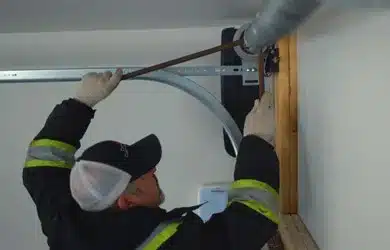
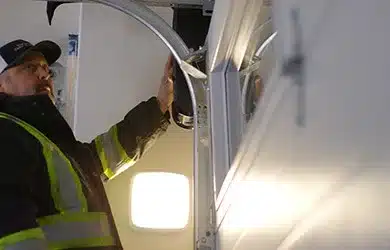
Another common concern is misaligned tracks, which occurs when the tracks that guide the door become skewed. This problem can create a jerky or uneven opening. Fortunately, fixing misaligned tracks is often just a matter of using a wrench or pliers to loosen the screws on the track brackets. After shifting the track back into place, simply retighten the screws—it’s as simple as that! This troubleshooting not only saves you from potential wear on other components but also ensures smooth operation.
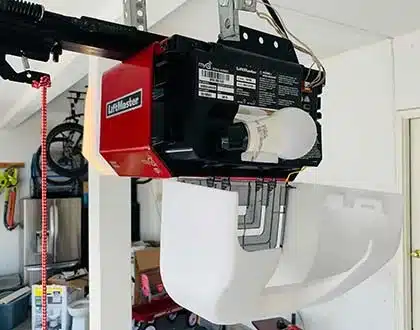
Faulty openers present another situation that often frustrates homeowners. Surprisingly, around 25% of garage door problems are linked to opener issues. Sometimes it can be something as straightforward as needing to reprogram the remote or replace a dead battery. However, if those basic steps don’t resolve the issue, it might suggest an underlying electrical failure that professionals should evaluate.
You may also encounter worn-out rollers, which can lead to increased noise levels and strain on the motor over time. To remedy this:
By performing regular maintenance checks and being proactive about repairs, you can prevent larger complications down the line while enhancing your garage door’s lifespan and efficiency. This leads us seamlessly into ways you can keep your garage door functioning optimally over time.