
Double vs. Single Garage Door: Which is Best for Your Home?
Double vs. Single Garage Door: Which is Best for Your Home?
Are you torn between choosing a single or double garage door for your home? Imagine pulling up to your driveway in the pouring rain, only to spend precious minutes standing outside while you painstakingly open two separate doors. Or perhaps you’ve been dreaming of a seamless and visually appealing garage that blends effortlessly with your house’s facade. In today’s post, we’ll break down the pros and cons of both single and double garage doors, to help you find the ultimate solution that’ll have your neighbors turning green with envy. Say goodbye to unnecessary struggles and hello to function meets style!
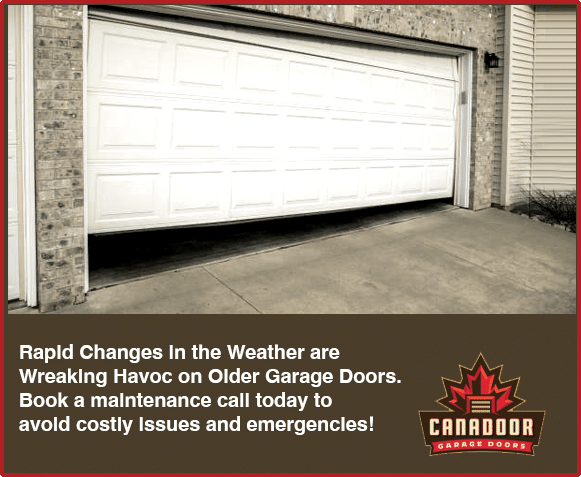
The main advantage of a double garage door is the larger opening, which allows for easier entry and exit of vehicles, larger items, and increased natural light. However, it may cost more initially and require more maintenance. A single garage door may cost less initially but can be limiting in terms of vehicle size and storage space. It’s important to consider your specific needs and preferences when deciding between these two options.
Double vs. Single Garage Door: Factors to Consider
Deciding between a double or a single garage door can be a daunting task, especially for homeowners who are not familiar with the various options available in the market. While some homeowners tend to think that a double garage door is always the superior choice, there are several factors to consider before making a final decision.
For instance, if you have a small driveway or limited space available, it may be more practical to opt for a single garage door. Similarly, if you only have one car or don’t use your garage for storage purposes, a single garage door could offer ample space for your needs.
Another important factor to consider is budget and long-term maintenance costs. Double garage doors are generally more expensive than their single counterparts due to more significant dimensions and additional hardware requirements such as extra springs and openers. Additionally, maintaining two individual sections requires more effort than keeping up with one.
It is essential to acknowledge that despite the higher upfront cost of buying and installing a double garage door, it could add value to your home in the long run. A double door may provide more curb appeal and increased functionality by allowing large vehicles like SUVs and trucks access into the garage.
Choosing between double or single garage doors is like deciding whether to wear sports shoes or dress shoes—each serves its purpose depending on the situation at hand. Sometimes a homeowner must weigh factors like budget, functionality, compatibility with their lifestyle, and convenience before settling on an option suitable for them.
Now that we have looked at some of the essential factors to consider when selecting the right garage door type let us delve deeper into one of them – Space and Functionality.
Space and Functionality
Space restriction in properties is common among many homeowners today. Many variables can affect the functionality of your garage space and how you utilize it. It’s essential to assess how you’ll use your garage before determining whether to go with a single or double garage door.
If you have limited parking space, a double car garage door may not be practical even if vehicles have access through your driveway. In such cases, a single-door installation may better serve your purposes, freeing up space in the driveway while still providing coverage for the loading and unloading process.
However, if you’re an avid hobbyist who enjoys fixing cars or working on other mechanical projects, a double garage door might be more suitable. The extra space allows you to park two cars side-by-side comfortably and have plenty of room for project related materials.
Suppose you’re not entirely certain about how you will use your garage or intend to move out of your property shortly. In that case, it’s probably best to consider re-sale potential and opt for a double garage door installation if possible, as they tend to be sought after by various buyers.
When looking at the functionality of a garage door, think of it like a drawer size in a storage cabinet. If you don’t need that much space to store items and want to save the available space in your home or office, choose smaller drawers according to your needs.
Understanding how much space is necessary and the varied functions that come with each garage door category should make it easier for homeowners to decide which option would work best in their individual situations. Next, let us consider the cost implications and maintenance efforts necessary when choosing between single and double doors.
- Homeowners should carefully consider their garage usage and space restrictions when selecting between a single or double garage door. While a single-door installation may be more practical in cases of limited parking space, a double-door installation is suitable for hobbyists who require additional room for projects or buyers seeking re-sale potential. The selection process should also factor in cost implications and maintenance efforts. Homeowners can think of their garage door functionality like drawer sizes in a storage cabinet and determine the most appropriate size for their needs to maximize their space efficiently.
Aesthetic Appeal and Design
When it comes to choosing a garage door for your home, aesthetic appeal and design can play a significant role in your decision-making process. After all, a garage door is not just a functional feature of the house, but also a key component of its outer appearance. Choosing the right style and design that complements the overall look of your home’s façade can enhance its curb appeal and add value to your property.
For instance, if you have an older or traditional-style home, a carriage-style garage door might be a perfect fit. This type of door, designed to replicate the look of old-fashioned carriage-house doors, can give your home an elegant, rustic look. On the other hand, if you have a modern-style home, a sleek and minimalist aluminum or glass garage door might be more suitable.
Additionally, garage doors are available in various colors and finishes, letting homeowners customize their doors to match their tastes and preferences. A cedar wood door finished with a dark stain can provide an attractive contrast against light-colored brick or stucco walls. In contrast, lighter-toned wooden doors with windows can create a brighter appearance for homes with darker tones.
Some homeowners may argue that the design and aesthetic appeal should take precedence over functionality, while others may prioritize function over form. However, finding the perfect balance between the two is crucial to successfully choose garage doors that complement your home.
Think of it like this: A beautifully designed cake without any taste won’t leave anyone satisfied. Similarly, having an aesthetically appealing garage door with subpar performance won’t protect you from extreme weather or intruders effectively.
Costs and Maintenance
While aesthetic appeal and design play vital roles in selecting the right garage door for your home, cost and maintenance should not be overlooked. Investing in a long-lasting, quality garage door can help prevent costly repairs or replacements down the line.
For example, a single-car garage door may be less expensive than a double-car door since it requires fewer materials to build and install. However, if the additional space provided by a double-car door is required and only a single-car garage is installed, future expansion could quickly become an expensive proposition. In this situation, it might be more cost-effective to invest in the larger size during initial installation.
Another factor that affects the cost of garage doors is their insulation level. An insulated garage door can significantly reduce energy costs associated with heating or cooling your home. While the initial cost of an insulated door may be slightly higher than that of its non-insulated counterpart, investing in an insulated door can provide significant savings over time.
When it comes to maintenance costs, homeowners should consider their choice of material. High-maintenance materials like natural wood require regular staining or painting and may be more susceptible to damage caused by weather and pests. Low-maintenance materials like aluminum or steel require less upkeep and stand up well against weather and other environmental factors.
Think of it as going on vacation; the initial cost might seem high, but choosing a destination that includes meals or activities usually saves you money because you don’t have to pay for them separately.
Materials and Insulation Options
When choosing between single and double garage doors, materials are a crucial factor to consider. You want to make sure that the material you choose suits your needs and will last for years to come.
There are several materials available in the market, including steel, wood, aluminum, fiberglass, and vinyl. Steel is the most commonly used material for garage doors because it is durable, low maintenance, and relatively affordable. Wood offers an attractive aesthetic appeal but requires high maintenance due to its susceptibility to rotting and warping. Aluminum is lightweight and rust-resistant but can dent easily. Fiberglass is resistant to saltwater corrosion, making it ideal for coastal areas, but may not be suitable for extreme temperature changes. Vinyl is weather-resistant and requires little maintenance but can crack or break over time.
Insulation options are also important when considering which garage door to purchase. Proper insulation helps regulate temperatures inside your garage by keeping it cool during summers and warm during winters. Insulated garage doors result in lower energy bills as well.
For example, imagine having an uninsulated garage door in the winter where temperatures drop below freezing point. It would become extremely challenging to use your garage if anything inside would freeze or become too cold to operate correctly.
The type of insulation you choose depends on your climate and personal preferences. There are two types of insulation: polystyrene and polyurethane foam. Polystyrene foam insulation is lightweight, typically less expensive than polyurethane foam insulation, but has lower insulating properties than polyurethane foam insulation. Polyurethane foam insulation offers higher R-values (the measurement of thermal resistance) than polystyrene foam insulation with half the thickness required for equivalent insulation values.
Keep in mind that while insulated garage doors may incur more upfront costs than non-insulated ones, they’re more energy-efficient, saving you money over time. Budget-conscious homeowners might prefer non-insulated garage doors which are cheaper upfront but could cost more in the long run due to higher energy bills.
Now let’s discuss the importance of comparing insulation levels.
Comparing Insulation Levels
When choosing between a single and double garage door, it’s essential to compare their insulation levels. Insulation levels play a significant role in regulating temperatures inside your garage, especially during extreme temperatures.
Insulated garage doors are rated in R-values, with higher numbers indicating better insulation performance. Generally speaking, a higher insulation value is recommended for colder climates or homes that have rooms adjacent to or above the garage.
For instance, if you intend to use your garage as a home gym, workshop, or any other frequently used space, a higher insulation value is highly recommended for better temperature regulation. This will ensure comfort during summer and winter months.
Comparing insulation levels can help determine the best option for your home’s structural needs and temperature requirements. In addition to polyurethane foam insulation, some manufacturers offer double insulation options to enhance energy efficiency further.
However, keep in mind that high insulation values can result in higher costs upfront. Some homeowners may prefer to opt for meaningful savings by choosing lower insulation values on their garage doors based on regional climate differences or functional purposes.
Comparing insulation levels is very similar to buying a jacket. When picking out winter jackets for everyday wear, it’s essential to consider how well they hold heat for comfort during freezing weather. Warmth depends on both the quality of material and the amount of fibers used and distributed throughout the jacket. The same process applies when researching R-values and picking an insulated garage door – we need to understand both elements.
Understanding materials and insulation requirements is crucial when choosing between single and double garage doors. In the next section, we will discuss the installation process for single vs. double garage doors.
Installation Process: Single vs. Double Garage Doors
When it comes to installing a garage door, the process can vary depending on whether you are choosing a single or double garage door for your home. Single garage doors typically require less installation time and effort compared to double garage doors, as they don’t have as many components to put together. However, it’s important to consider the size and weight of the garage door, as this can also affect the ease of installation.
For instance, if you live in an older home with limited space in your garage, a single garage door may be the easier option as it won’t take up as much headroom when opening and closing. On the other hand, if you have a larger home with more storage space available in your garage, a double door may be more practical for ease of access. It’s important to consider your specific needs and preferences when making this decision.
Another factor to consider is the level of expertise required for installation. Double garage doors can be more complex and require greater knowledge of cutting and fitting tracks, springs, cables, and other components. This means that hiring a professional installer may be necessary for safety reasons and to ensure proper functionality.
However, some homeowners prefer doing DIY installations to save money. If you are one of those individuals planning a DIY install, make sure you have all the necessary tools and equipment to complete the job safely and efficiently. Keep in mind that false installations or missing crucial steps can lead to safety hazards in the future.
Think of installing a single garage door like assembling a puzzle with fewer pieces while installing a double garage door is like putting together an intricate puzzle with multiple pieces that demand utmost precision.
Time and Space Requirements
The time required for installing either a single or double garage door depends on various factors including the complexity level, size of the garage, and if any additional features are installed such as windows or insulation. A competent professional can install either door type within a few hours, but it’s important to factor in any potential delays such as complex installations.
For instance, a homeowner may choose to have windows installed in a double garage door for aesthetic reasons; however, it’s important to note that this will extend the installation process significantly due to the cutting and fitting required.
In terms of space requirements, double garage doors can take up more vertical space when opening and closing compared to single garage doors. This means that if you have limited headroom in your garage, you may have to opt for a single garage door instead.
However, the space requirements of a double garage door also depend on the type of door opener used. Some openers can be mounted horizontally rather than vertically, allowing for greater utilization of vertical space in your garage.
Think of the time and spatial requirements of installing a new garage door like arranging furniture; there are many
variables to consider before making the final decision. And just like with furniture arrangement, it’s important to have professionals assess your specific needs before making any installation decisions.
Safety and Security Considerations
When it comes to choosing between a double or single garage door, safety and security should be at the forefront of your considerations. Your garage door is one of the largest entry points to your home, so ensuring that it is secure is essential for the protection of your family and belongings. While both single and double garage doors can offer excellent security features, each option has its own set of considerations.
For example, if you have a large family with several cars, a double garage door may provide easier access and better organization for vehicles. However, keep in mind that having a larger opening means there is more opportunity for burglars or intruders to sneak in unnoticed. Double doors also tend to be heavier than single doors, which presents a potential safety hazard if they are not properly installed or maintained.
On the other hand, single garage doors are smaller and therefore easier to secure. They also tend to be less expensive than double doors since they require fewer materials and less installation time. With advancements in technology and design, some single doors are now able to achieve higher levels of insulation and durability than older models, making them a viable option even in colder climates.
Some argue that double doors are more secure because they often come equipped with two locking mechanisms instead of just one. However, this argument only holds true if the locks are properly installed and functioning as intended. Single doors can also be outfitted with additional security features such as reinforced steel frames, deadbolts, or smart lock technology that can alert you when your garage door opens or closes.
Choosing between a single or double garage door is similar to choosing between a regular locking system or an electronic one on your front door. Both options can provide ample security if used correctly and installed properly, but the level of security offered by each option may depend on your individual needs and preferences.
With safety and security in mind, let’s explore some additional features that can further enhance the protection of your garage door.
Features for Enhanced Protection
In addition to basic locking mechanisms, there are several features and technologies available to homeowners designed to provide enhanced security for your garage door. Some of these features include:
1. Smart Locks – These locks integrate with home automation systems or smartphone apps to alert you when your garage door is opened or closed, as well as allowing you to remotely control access in real-time.
2. Motion Sensors – These sensors can detect movement in your garage or driveway and trigger an alarm to warn off potential intruders.
3. Battery Backup Systems – A backup battery system ensures that your garage door will still operate during power outages or other emergency situations.
4. Remote Control Programming – Many modern garage doors offer programming options such as password-protected access codes or customizable opening/closing schedules.
Consider a smart lock system like the LiftMaster myQ Smart Garage Hub. This technology allows homeowners to receive real-time alerts when their garage door opens or closes and can be integrated with other home automation systems like Alexa or Google Assistant for even greater convenience and control. If someone does attempt to break in through the garage, the system can also sound an alarm and notify homeowners directly via their smartphone.
Additionally, battery backup systems can provide peace of mind during power outages when conventional access options may not be available. And motion sensors linked with outdoor lighting can help deter intruders who may be looking for easy targets at night.
Some may argue that these extra features are unnecessary and only add additional costs to the initial investment. While it’s true that some advanced security features can increase the cost of a garage door installation, investing in proper security measures is worth it in the long run, providing greater protection and peace of mind for homeowners.
Think of these additional features as the deadbolt on your front door or the alarm system in your house. While not strictly necessary, these added layers of protection can make all the difference in keeping your family and belongings safe.
Considering all the factors we’ve explored – from space and functionality to materials and insulation options – there is no one-size-fits-all answer when it comes to choosing between a double or single garage door. However, with careful consideration of your needs and preferences, along with expert guidance from professionals like those at Canadoor Garage Doors, you can find the right solution for your home that provides maximum safety, security, and style.
Responses to Frequently Asked Questions
What are the benefits of having a double garage door?
Ah, the age-old question: double or single garage door?
While both options have their merits, there’s no denying that a double garage door offers some serious benefits for homeowners. Here are just a few:
1. More space for your vehicles: With two doors instead of one, you’ll have twice the amount of space for your cars, trucks, and other vehicles. This is especially helpful if you have larger or more specialized vehicles that require extra room to maneuver.
2. Increased storage space: In addition to parking your vehicles, a double garage can also serve as storage space for tools, sports equipment, and household items like holiday decorations. You’ll have more room to work with than you would with a single garage.
3. Resale value: According to a study by Remodeling magazine, installing a new garage door is the third-highest ROI home improvement project. And when it comes to garage doors specifically, opting for a double door can increase your home’s resale value even further.
4. Improved curb appeal: Let’s face it – a double garage door simply looks better than a single one (sorry, single folks). It gives your home a more balanced and symmetrical appearance from the exterior.
Of course, these benefits come at an added cost compared to a single garage door installation. But if you’ve got the money and the space for it, we say go big or go home – with two cars, of course.
What factors should be considered when deciding between a double or single garage door?
Choosing between a double or single garage door is an important decision for homeowners that can impact the aesthetics, functionality, and potential resale value of their property. Several factors must be considered when deciding between these two options.
Firstly, the size of your garage will play a crucial role in determining which door to opt for. If you have a larger garage with multiple vehicles or additional storage space inside, then a double garage door would be the right choice. This can also increase the accessibility of your garage and make it easier to maneuver larger vehicles.
Another factor to consider is the cost. Double garage doors can be more expensive than single doors due to their size and the added materials required for installation. However, investing in a double door could pay off in the long run by increasing the value of your home.
Security is also an essential aspect to think about when selecting a door type. A double garage door may provide greater security as it typically comes with heavier-duty materials and stronger locks. However, a single door can also be secure if made with high-quality materials and appropriate locking mechanisms.
In conclusion, there are several factors that you should consider when deciding between a double or single garage door such as garage size, budget, security, and future resale value. Ultimately, each homeowner will need to weigh their individual needs before making an informed choice.
How do energy efficiency ratings differ between double and single garage doors?
When it comes to energy efficiency, double garage doors tend to perform better than single garage doors. This is because double garage doors have two panels with insulation in between, which offers better insulation and a higher R-value. A higher R-value means that the door has better heat resistance and can better regulate the temperature inside the garage.
According to a study by the U.S. Department of Energy, a single non-insulated garage door typically has an R-value of 3.5, while an insulated double garage door can have an R-value as high as 17.5, providing up to 90% better insulation than a non-insulated single garage door.
Furthermore, energy-efficient double garage doors may also qualify for tax credits or rebates from local utility companies, making them a more cost-effective option in the long run.
To sum up, if you want to reduce your energy bills and keep your garage at a comfortable temperature throughout the year, investing in an insulated double garage door might be the best option for your home.
How does the cost compare between installing a double or single garage door?
When it comes to cost, a single garage door is generally less expensive than a double garage door. According to HomeAdvisor, the average cost of a single garage door installation is around $2,100 while the average cost of a double garage door installation is around $3,300. However, this cost can vary depending on factors such as the material of the door, additional features like insulation or windows, and the complexity of the installation.
Despite the higher initial cost of a double garage door, it may be a better investment in the long run for homeowners who need extra space or plan to use their garage for more than just parking a vehicle. Double garage doors can add value to a home and make it more attractive to potential buyers if you decide to sell in the future.
Ultimately, the decision between a single or double garage door comes down to personal preference and individual needs. Homeowners should consider their budget, parking and storage requirements, and aesthetic preferences when making this decision.
Are there any disadvantages to having a double garage door compared to a single one?
Well, there are certainly pros and cons to each option. While it’s true that a double garage door can provide more space and convenience, there are also some potential downsides to consider.
Firstly, double garage doors tend to be more expensive than single ones. This makes sense given the increased size and materials required, so it’s something to keep in mind if you’re working with a tight budget.
Secondly, double garage doors may also be less energy-efficient than single ones. According to the US Department of Energy, garages can account for up 20% of a home’s energy loss if not properly insulated. With a double door, there’s simply more surface area for heat or AC to escape through, potentially driving up your bills.
Finally, there’s also the matter of curb appeal. Double garage doors can certainly look imposing and impressive from the street, but they may not suit every home style or aesthetic. Additionally, if you have a smaller driveway or yard, a double door could dominate the exterior and make things feel cramped.
All of that said, there are still plenty of great reasons to opt for a double garage door if you have the space and budget for it. It just comes down to weighing these factors against your specific needs as a homeowner.