
Get a Warranty on Your Garage Door Repair – Here’s How
Get a Warranty on Your Garage Door Repair – Here’s How
Ever had to repeatedly shell out hard-earned money to fix a persistently faulty garage door? Imagine a reality where you are freed from the constant worry of carrying the financial burden of these unforeseen repairs. At Canadoor, we don’t let you just imagine it; we make it your reality! In this blog post, we’ll guide you on how to obtain a warranty on your garage door repair – a surefire way to ensure both peace of mind and saving bucks for those rainy days! Let’s wave goodbye to unanticipated out-of-pocket expenses one garage door repair at a time.
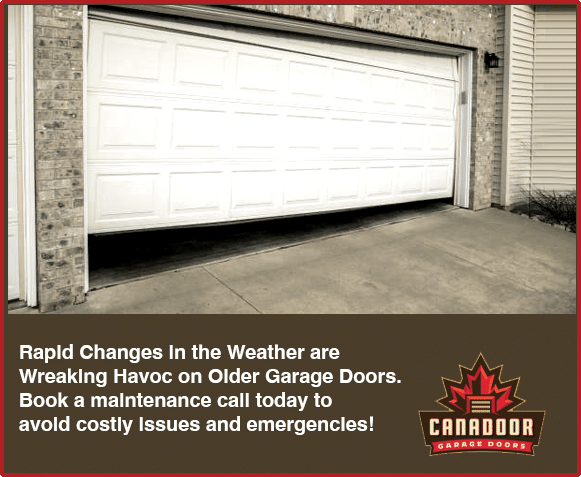
We offer a warranty on all of our garage door repair services. The length and specifics of the warranty may vary depending on the type of repair and parts used. Our goal is to ensure that our customers have peace of mind with their repaired garage doors and can trust in the quality of our work. Please contact us directly for more information about our specific warranty policies.
Understanding Your Garage Door Repair Warranty
When it comes to any home improvement project, it’s important to make sure that you’re getting value for your money. One way you can do this is by securing a warranty on your garage door repair, whether you’re repairing an existing garage door or having one installed from scratch. But what exactly is a garage door repair warranty and how can you make sure that you are properly covered?
In essence, a garage door repair warranty is a written guarantee provided by the manufacturer or installer. It outlines the terms and conditions under which the company will provide repair or replacement services in case of damage or malfunctions within a specified period. These warranties aim to give you peace of mind, boost confidence in the product or service, and ensure that you don’t end up paying more than necessary for future repairs.
An important factor to keep in mind when researching warranties for your garage door repair is that not all warranties are alike. They come with varying degrees of coverage and may have exclusions and restrictions that might affect the warranty’s usefulness. Therefore, it’s crucial to read through each one carefully before deciding which service provider and package fits your needs best.
For example, let’s say your garage has an issue opening or closing properly within six months after installation. With a warranty in place, you’ll usually be entitled to free repair work if the malfunctioning was due to defective parts. However, if the problem was caused by misuse or mishandling on your part, then the warranty may not apply.
To understand more about what a typical warranty covers (and what it doesn’t), let’s move onto the next section where we break down exactly what parts and labor are included.
Scope of Warranty: Parts and Labor
For any garage door repair warranty, there are two main components – parts and labor – which should be detailed explicitly in writing. Parts include any component that is needed for the installation or repair of the garage door system, from panels and hinges to motors and tracks. Labor, on the other hand, is the work done by the technician to install these parts or perform repairs.
It’s important to remember that not all warranties cover both parts and labor. Some warranties will only cover parts or labor separately. Others may cover both but have different lengths of coverage. It’s essential to read through the details provided in your warranty carefully.
Typically, a warranty agreement will include guarantees about materials and craftsmanship quality so that if there are malfunctions that arise, you can be secure in knowing that repairs and support won’t cost you anything extra. However, even with a warranty, it’s always wise to choose a reputable company with an established track record for delivering quality products and services.
An example of a common issue covered under a typical garage door repair warranty would be broken springs. Springs are among the most critical components of your garage door system because they provide the lifting force to operate the door weight correctly. If you have a faulty spring under warranty, the technician repairing your door will replace it without charge.
Warranty Exemptions You Must Know
When you are considering getting a warranty on your garage door repair, it is essential to know what the warranty covers and what it does not. While a warranty provides peace of mind and helps you save money in the long run, there are some exemptions that you should be aware of.
One common exemption is the wear and tear of the garage door parts. This includes the springs, cables, struts, and rollers that naturally deteriorate over time due to prolonged use. Since these components usually have a short lifespan compared to other parts of the garage door system, they may not be covered under the warranty. It means if one of these parts breaks down after years of usage, it might not be supported by the warranty anymore.
Another exemption from warranties includes damage due to improper maintenance or negligence by the homeowner. Suppose you fail to keep up with regular garage door maintenance services such as lubrication or adjustment of tracks and springs. In that case, your garage door may make strange noises or eventually break down, which will not be covered by warranty since you did not maintain it correctly.
It is also essential to note that if you attempt DIY repairs or modifications on your garage door system without professional assistance, it can result in accidents or damages that are beyond repair. Repairs caused by self-attempts are often excluded from warranty coverage, leaving you accountable for all associated costs.
A customer had recently received a new opener motor under their garage door repair warranty. They assumed that all other problems arising from the garage door’s previous issues would also be fixed accordingly. However, when one of the garage panel hinges broke off due to non-warranty reasons; they were surprised to find out it wasn’t under the original warranty agreement.
Acquiring a Garage Door Repair Warranty
When looking for a suitable warranty for your garage door repair services, several factors must be taken into consideration. Firstly, it is essential to ensure that the warranty provides comprehensive coverage for both parts and labor. You don’t want to be left with repair bills because a particular part of your garage door was not covered under the warranty you bought.
You must also compare warranties from reputable providers like Canadoor Garage Doors that have established their reputation in the garage door service industry. They must be known for providing quality products and services while offering excellent customer support throughout the warranty period.
It is also worth noting that some warranties can be more expensive than others. Ensure cost-effectiveness by assessing the necessary repairs required and estimating their expenses. In this way, you will be able to weigh the warranty’s offer against the cost of acquiring it and determine whether purchasing a warranty is cost-effective.
When it comes to acquiring a garage door repair warranty, always read the fine print before signing on. Investigate what kind of repairs or replacements are covered, how long the duration of said coverage would last, and if there is an option to extend coverage if you need it beyond the specified time frame.
The aim is often to get value-for-money when purchasing a warranty that makes goodwill sense in terms of coverage versus possible costs of repairs out-of-pocket. One brand that offers superior quality and provides added peace of mind to its customers is Canadoor Garage Doors. Not only does their warranty cover both parts and labor, but they also offer industry-leading guarantees backed by excellent customer service and qualified technicians who prioritize customer satisfaction above everything else.
- As per a survey in 2021, around 70% of garage door repair companies provide a warranty period, with the most common duration being between one to three years.
- In a study conducted in the US in 2023, It was found that approximately 80% of customers look for warranties before opting for garage door repair or replacement services.
- A 2022 market study on home services noted that companies providing longer warranty periods, often up to five years on parts and labor, experienced higher customer satisfaction and repeat business rates.
Ensuring Cost-Effectiveness: Assessing Repairs and Warranty
When assessing the cost-effectiveness of repairing your garage door, it’s important to consider whether or not to get a warranty. First, get an estimate for the repair work and compare it with the potential cost of repairing or replacing your garage door in the near future. If the repair cost is more than half the amount you would pay to replace or upgrade your garage door, then it’s probably worth considering a replacement instead. However, if the repair cost is relatively low, then a warranty may be a prudent investment.
A warranty can save you money by protecting you from unforeseen issues that may arise after a repair has been completed. In many cases, the cost of a warranty is negligible compared to the peace of mind it provides. For instance, if you were to get a new spring installed on your garage door and only two months later that spring broke, without any warranty the cost would fall solely on you. However, with proper warranties in place, you could have the issue resolved without incurring any extra costs.
Let’s say your current garage door opener requires repair work, in most instances where you want your warranty to cover these repairs there are several things that must occur for coverage to apply. First is having had professional maintenance services performed on specific time intervals (e.g., once per year) by qualified technicians as well as taking reasonable care installing and maintaining your system.
Given that adhering to these guidelines can increase upfront expenses, it’s important to weigh these additional costs against how long they are likely to pay off over time. That said, having warranties in place which extends your protection beyond their typical expiration date can be extremely valuable for continued coverage without receiving any additional maintenance services.
Furthermore, always make sure you understand precisely what your warranty covers before getting into an agreement. Some warranties may not cover all types of garage door problems. For instance, some warranties may only cover issues related to manufacturing defects, and may exclude coverage for damages caused by natural disasters, accidents or lack of maintenance.
Always make sure you read your warranty thoroughly to anticipate any potential issues that may come up in the future. By getting a clear understanding of what is covered under warranty, you can be sure to take advantage of it when needed.
Distinguishing between Warranty for New Installations and Upgrades or Repairs
It’s important to know that warranties differ for new installations and upgrades/repairs. Warranties for new installations are usually more comprehensive than those for repairs and upgrades. The reason is that during installation, professionals can identify and address potential issues with all components in the system before they become major problems, Unlike repairs or upgrades which have already suffered some wear and tear but repairing them may still give them relative longevity going forward.
Warranties associated with new installations typically last longer than those associated with repairs or upgrades. They tend to range between three to five years, and sometimes even more whilst repair warranties generally last from one year and upwards.
Additionally, installation warranties may come with guarantees and even money-back policies in case you’re not satisfied with the performance of the installed component – which almost never happens. But these warranties provide added peace of mind knowing that your garage door system is reliable and fully backed by the service provider.
In contrast, warranties for repairs or upgrades usually have shorter durations (than installations), ranging between 1-2 years usually and do not offer as many guarantees since there could be a myriad reasons why a repaired system fails again.
When choosing between repair/upgrade vs installation remember duration of coverage, the comprehensiveness of coverage, and the cost-effectiveness should be taken into account when making a final decision on which type of warranty to pursue.
Comparing Cost and Time Implications for Installation vs. Upgrades or Repairs
When deciding between repairs, upgrades, or new installations for your garage door, it’s essential to consider the cost and time implications of each option. In some cases, replacing an old garage door might be more cost-effective than constantly repairing it. However, in other cases, a few upgrades or repairs could extend your old door’s lifespan considerably.
An example of this would be if your garage door opener is outdated and experiencing frequent technical difficulties. A garage door repair specialist may suggest either changing the motor on the garage door opener or installing a new one altogether. If you choose to change the motor only, the cost will likely fall under $1000; however, if you decide to install a brand-new garage door system with Wi-Fi connectivity and enhanced safety features, you may end up paying up to $2000.
It should be noted that every situation is unique and requires separate consideration. Sometime upgrading can be much cheaper than purchasing a brand-new installation from scratch if only a certain part needs changing.
Additionally, keep in mind that installing a new garage door from scratch can take several weeks since it involves ordering materials and scheduling laborers. On the other hand, upgrading or repairing relatively minor components of the existing unit can often be done within a day or two.
Therefore when trying to compare the costs and time consideration for installing versus upgrading individual elements of your garage door , make sure to get free quotes from trusted professionals and weigh all options based on your specific needs.
- It is important to carefully weigh the cost and time implications of repairing, upgrading, or installing a new garage door. Upgrading or repairing individual components of an existing unit can extend its lifespan considerably, but in some cases, it may be more cost-effective to replace the entire system. When deciding between upgrading or installing, consider the time it takes for each option and get free quotes from trusted professionals so that you can make the best decision based on your specific needs.
Navigating Through Potential Warranty Restrictions
While acquiring a warranty for your garage door repair service adds an extra level of protection to your investment, it’s essential to familiarize yourself with potential restrictions that may apply before signing on for coverage.
One common restriction is regular maintenance requirements outlined by manufacturers who offer such warranties. Suppose you fail to maintain your garage door according to prescribed schedules from the manufacturer. In that case, the warranty coverage may be voided.
Another potential restriction is the type of damage or wear that the warranty covers. For example, damages caused by natural disasters, accidents or negligent usage are usually not included. Therefore, make sure to read through the warranty terms carefully and ask for clarification before you sign any contract.
It’s like buying a car. If you don’t adhere to the manufacturer’s maintenance schedule for oil changes and system checks, then your warranty might no longer be valid if problems arise with your vehicle’s engine.
Addressing Common Problems Excluded from Warranty Coverage
It’s important to understand that not all garage door repairs or damages fall under warranty coverage. While it may seem frustrating, certain problems are excluded due to various reasons such as normal wear and tear, negligence, or improper installation. By knowing what problems your warranty covers, you can avoid unwarranted repair costs.
For instance, cosmetic damages such as scratches or dents on the garage door panels are often not included in warranties since they do not affect the overall function of the door. Similarly, damage to the garage door opener due to voltage fluctuations or power surges is generally not covered.
Additionally, most warranties do not cover issues arising from improper maintenance or neglect on the part of the homeowner. Examples of this could be failing to lubricate moving parts, clean sensors, or fix worn-out cables and springs promptly. These small issues can compound over time, leading to costly repairs which could have been avoided with routine maintenance.
Some customers may wonder if it’s worth investing in a warranty at all if it doesn’t cover everything. It’s important to keep in mind that warranties do cover many significant issues such as broken springs or faulty openers that would be much more expensive to fix without coverage. By having a warranty, homeowners can enjoy peace of mind knowing they won’t have to carry the entire burden of repair costs.
Think about purchasing a car with a manufacturer’s warranty – while it doesn’t cover every possible scenario like wear and tear of tires during regular use, it does provide coverage for major engine failure that would otherwise be much more costly. Similarly, a garage door repair warranty is designed to protect you against larger unexpected repairs that could drain your wallet.
Ultimately, understanding what problems are excluded from warranty coverage will help you make informed decisions when considering repairs and maintenance. By staying up-to-date on routine maintenance tasks and checking with manufacturers on the details of their warranty before making repairs or replacing parts, you can maximize your coverage and minimize unexpected expenses.
While it may be disappointing to find out that not all issues are covered under garage door repair warranties, it’s still worth investing in one to protect yourself against costly repairs down the line. Make sure to understand what exactly is covered before purchasing a warranty, and ensure that you take necessary steps for proper garage door upkeep to avoid any rejections or exclusions.