
How to Quiet Down Your Noisy Garage Door: 5 Simple Steps
How to Quiet Down Your Noisy Garage Door: 5 Simple Steps
Tired of waking up to the loud, teeth-grating noise of your garage door every morning? Or maybe it’s the cringing sound that welcomes you home after a long, tiring day. Just imagine calming down this beastly uproar in only 5 simple steps! Join us as we break down our invaluable tips on how to transform your noisy garage door into a whisper-soft guardian of your beloved vehicle. Let’s reclaim the peace and quiet in your home starting from the entrance!
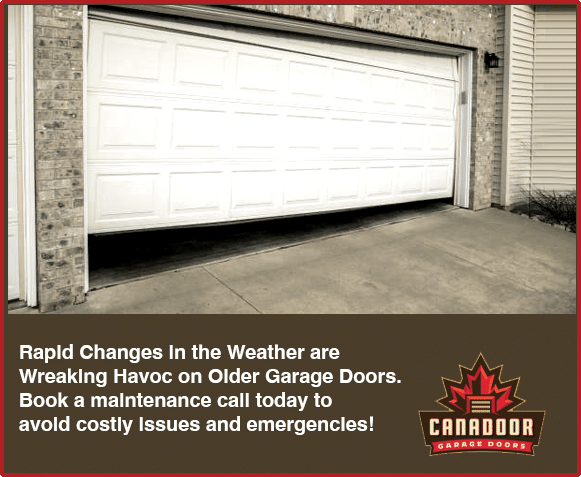
There are multiple methods to quiet down a noisy garage door such as proper maintenance and regular inspection, use of noise-reducing lubricants and cleaners, checking and tightening loose hardware, installing weatherstripping around the door, upgrading to a quieter opener. Canadoor Garage Doors offer professional installation, repair, replacement, and maintenance services for your garage doors helping you to get rid of all issues related to your door.
Adjusting and Replacing Garage Door Components
A garage door is composed of many moving parts such as chains, springs, rollers, and cables. When these components wear out or get damaged, they can create noise and affect the functionality of the garage door. To eliminate any potential cause for a noisy garage door, adjusting and replacing the worn out components are vital.
One instance of a faulty component that can lead to a noisy garage door is a broken or damaged roller. If your rollers are cracked or have flat spots, they may start producing loud grinding sounds. In this case, replacing the old worn-out rollers with new ones will get rid of the trouble. You can easily purchase brand new rollers from Canadoor Garage Doors and replace them yourself if you have experience in fixing garage doors.
The other common culprit causing excessive noise on your garage door is loose hardware. Over time the nuts and bolts holding up your tracks, hinges, springs, cables might loosen up due to vibration and age issues. Tightening all the loose nuts and bolts might solve a significant part of your problem.
Replacing other components like worn-out chains might be necessary to reduce noise levels even further. On some models, replacing the old chain with nylon-coated stainless steel could make a significant difference and increased durability compared to an ordinary metal chain.
In the next section, we will discuss how the tensioner bolt modification is essential for reducing noise levels in your garage door.
Modify the Tensioner Bolt
The tensioner bolt plays a crucial role in how smoothly or noisily your garage door operates. The tensioner bolt is responsible for regulating the tightness of the belt or chain drive mechanism used by your garage door opener. A loosely-tensioned belt or chain could lead to slippage when opening or closing, leading to loud screeching sounds. On the other hand, overtightening the belt or chain could cause a grinding noise and exert excess pressure on other components.
To illustrate why modifying the tensioner bolt is crucial, think of a musical instrument’s strings. If you play a guitar with loose strings, it produces an undesirable sound. Similarly, if the strings are too tight, you will notice some snapping and straining sounds. It is only when the strings are appropriately tightened that you can enjoy enjoyable music from your instrument.
The tensioner is usually located near the engine at the door opener end for most garage door systems. Adjusting its tension can help reduce excess noise and provide easy access to your garage without disturbance.
However, bear in mind that while tightening the bolt could help improve alignment and reduce unwanted noise, sometimes extensive modifications might not fix problems caused by worn-out components. As such, it may be necessary to hire experienced technicians to provide professional guidance.
Now that we’ve understood how adjusting or replacing garage door components affects the overall functioning of your garage door let us look at weatherproofing strategies for garage doors.
- The tensioner bolt is a crucial component in regulating the tightness of the belt or chain drive mechanism used by most garage door openers. Adjusting its tension can significantly reduce excess noise and provide easy access to your garage without disturbance. However, it’s important to note that extensive modifications may not fix problems caused by worn-out components, and professional guidance may be necessary. Like musical instrument strings, appropriately tightened tensioner bolts lead to better functionality without unwanted noise.
Swap Noisy Chains and Springs
One of the most significant contributors to a noisy garage door is the chain or spring mechanism. The chains and springs that operate your garage door can produce a lot of noise, particularly if they are old and worn out. When these components wear out over time, they create clunky and rattling sounds that can disrupt the peace in your living space.
Dismantling a chain drive opener system or removing springs can be dangerous for an inexperienced individual; therefore, it’s better to leave this task in the hands of qualified professionals like Canadoor Garage Doors. They’ll inspect these components and suggest whether a swap-out is necessary. Otherwise, if left unchecked, it could prove to be detrimental as you might damage them permanently.
In general, if your current chain or belt drive model is more than ten years old, replacing it will provide many benefits beyond reducing noise levels. It will improve overall functionality, increase safety features and energy efficiency in your home. Moreover, modern-day chain-drive models have advanced technologies that minimize the output noise level significantly.
- A national survey of homeowners reveals that approximately 40% have dealt with a noisy garage door at some point.
- Maintaining the proper lubrication of your garage door alone can reduce noise by up to 50% according to home experts.
- By undertaking regular maintenance tasks such as tightening screws, replacing worn components, and lubricating moving parts, you can prolong the lifespan of your garage door by an estimated seven to nine years.
Weatherproofing Strategies for Garage Doors
If your garage lies adjacent to communal areas or bedrooms, reducing sound transmission should be an item on your checklist. While weatherstripping primarily protects against water leakage and heat retention, it also blocks noises from entering through gaps in its structure.
To reduce noise pollution indoors, insulating your garage door by adding extra cushioning materials between metallic surfaces could work wonders. Weatherstripping using vinyl adhesive around the perimeter seals gaps between surfaces created by daily wear-and-tear causes like the door scraping against the ground slightly when closing.
Several types of insulation exist suitable for installing within garage doors such as reflective insulation which sends heat back towards its source while offering superior breathability similar to other fibrous insulation methods.
It’s important to know what type of insulation suits your door before installation. It’s not uncommon for homeowners to have caused damage by overstuffing insulation, preventing the garage door from operating correctly. At Canadoor Garage Doors, they can advise you on high-quality insulation material ideal for quieter and efficient spaces.
While sound-deadening might seem overwhelming, it proves a lot simpler to execute than one thinks. Taking the time to weatherproof your overhead door can conserve energy, provide warmth in winter and cooler temperatures in summer while safeguarding your family’s health and well-being by reducing unwanted noise.
Install Weatherstripping and Insulation
One common cause of a noisy garage door is sound transmission from outside. This might be traffic noise or neighborhood sounds, but whatever it is, it can infiltrate your home and disrupt your peace and quiet. Fortunately, it’s possible to address this issue with a few simple steps.
One option is to install weatherstripping around the edges of the garage door. This will create a tight seal between the door and the frame, preventing sound from entering your home. Weatherstripping is easy to apply using adhesive tape or screws, and it comes in a variety of materials such as vinyl, rubber, and foam.
Another method for reducing noise is to insulate the garage door itself. This can be particularly effective if you have an attached garage that shares a wall with your living space. Insulation helps to dampen sound waves and prevent them from traveling through walls. It can also help regulate temperature inside the garage and reduce energy costs.
Some homeowners might worry that insulation will make their garage hotter in the summer months. While it’s true that insulation adds an extra layer of material to the door, it can also help to keep heat out by blocking radiant energy. This means that with properly installed insulation, your garage should maintain a more consistent temperature throughout the year.
Maintaining the Garage Door Track and Rollers
A well-maintained track and set of rollers are essential for smooth and quiet operation of your garage door. But over time, these components can wear down or become misaligned, leading to increased noise levels.
To keep your door running quietly, make sure to regularly inspect the track for any signs of damage or debris buildup. Use a clean cloth or soft brush to wipe away dirt or debris that could be interfering with smooth movement along the track.
Similarly, check the rollers for wear and tear. If they are worn down or damaged, replace them to prevent further damage to the door and track. It’s also important to keep the rollers lubricated with a silicone-based spray – this will reduce friction and allow them to run smoothly.
Think of the track and rollers as the wheels of a car. Without proper maintenance, even the best-engineered vehicle can become noisy and inefficient. But with a little attention and care, your garage door can operate quietly and flawlessly for years to come.
Lubrication Steps for Quieting Your Garage Door
One of the most common causes of a noisy garage door is a lack of lubrication of its moving parts. As friction builds up between metal components, the door becomes louder and less efficient over time. Fortunately, lubricating these parts is an easy and quick fix that can drastically reduce noise levels.
To begin, you’ll want to clean all the moving parts of your garage door including tracks, rollers, and hinges. Rub them down with a cloth to remove any dirt or debris that’s accumulated and then apply a high-quality lubricant designed specifically for garage doors. Be sure to use enough lubricant to fully coat each part.
Proper lubrication can decrease the amount of stress on your garage door’s components, reducing wear and tear on them as well. This not only makes your door run more quietly but can prolong its lifespan. Additionally, regular oiling can prevent rust buildup and other types of corrosion that can lead to costly repairs later on.
Some people may question whether it’s necessary to oil their garage door every year, especially if they don’t use it frequently. While infrequent use may require less upkeep than a heavily-used door, it’s still important to maintain all the door’s moving parts by applying proper lubrication on an annual basis. Neglecting this simple task can lead to increased noise levels and eventual damage.
Think of your garage door as you would your car engine – both require regular maintenance in order to function smoothly and efficiently. You wouldn’t go years without changing the oil in your vehicle’s engine because infrequent use doesn’t make oil changes unnecessary – it’s the same with garage doors.
By following these steps for properly lubricating your garage door, you can easily reduce noise levels and help extend its lifespan. However, if you’re unsure about the type of lubricant to use or whether an underlying issue is causing excessive noise, it’s always best to consult with a professional garage door service like Canadoor Garage Doors. Their expert technicians can diagnose and fix any problem quickly and efficiently, leaving you with a quiet and smoothly functioning garage door.