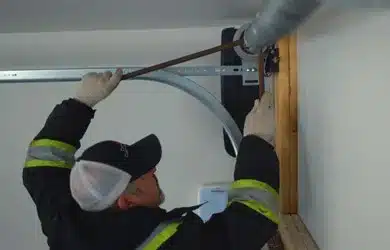
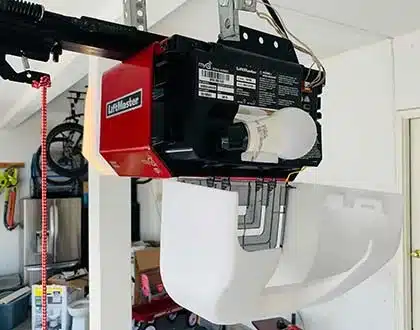
Just like any other part of your home, your garage door system requires regular maintenance to ensure it remains in optimal working condition. Think of your garage door as a high-traffic entryway that works hard every day, yet often goes unnoticed until something goes wrong. Each time you open or close it, various components are at work— hinges, springs, and more—all needing care to keep functioning smoothly. This routine attention not only enhances performance but also prevents costly failures down the road.
Regular check-ups and services can identify issues before they turn into major problems. A good way to think about this is akin to taking your car in for an oil change; it’s much easier (and cheaper) to fix small things than let them snowball into significant repairs.
For instance, lubricating moving parts such as rollers and hinges helps maintain their smooth operation, while tightening bolts secures the whole structure against wear and tear. This task takes just a few minutes but can extend the life of your garage door by years. Inspecting the weatherstripping is equally important; this simple step not only keeps the elements out but also improves energy efficiency inside your home.
Additionally, focusing on preventive maintenance services can save homeowners an average of 20% on repair costs annually. Regular upkeep means fewer surprises down the line—after all, no one wants to face emergency repairs late at night when their garage door simply won’t budge. Well-maintained doors are less likely to break down completely, reducing stress and saving money when it counts the most.
Plus, if you ever decide to sell your home, potential buyers will appreciate having a garage door that looks great and functions well, further boosting your property’s value.
Overall, investing a little time and effort into regular maintenance pays dividends— from smoother operations to reduced operational costs—making it an intelligent choice for homeowners looking to protect their investment.
Now that we’ve explored essential maintenance practices, understanding how to select materials tailored to your needs and local environment is equally important.