
Spring Garage Door Maintenance Checklist for Ontario Homeowners
Winter can be tough on garage doors across Ontario. Snow, ice, road salt, and freezing temperatures all take a toll on moving parts, seals, and overall performance. By the time spring arrives, many homeowners notice their garage door is noisier, slower, or not sealing properly.
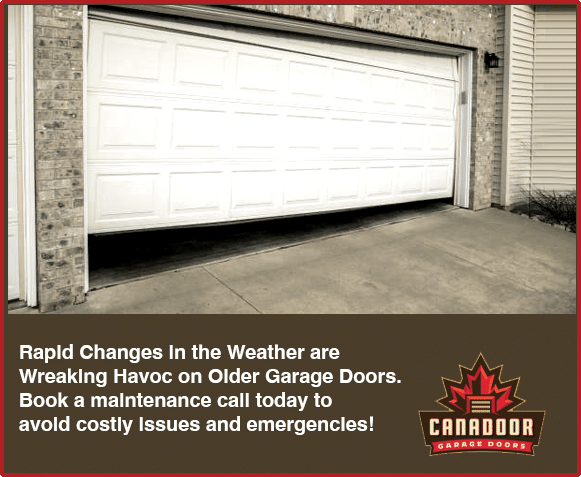
Spring is the ideal time to inspect your garage door, address minor issues, and prevent more expensive repairs later in the year. A simple maintenance routine can extend the life of your system, improve safety, and ensure reliable operation.
Here is a practical spring maintenance checklist every Ontario homeowner should follow.
1. Inspect the Door for Visible Damage
Start with a full visual inspection of your garage door from both inside and outside.
Look for:
- Cracks, dents, or warping in panels
- Rust spots or corrosion
- Loose or missing hardware
- Damage to weather stripping
Winter conditions can cause materials to expand and contract, leading to small structural issues. Catching these early prevents them from getting worse over time.
If your door looks uneven or misaligned, it may require professional adjustment.
2. Clean the Door and Tracks
Dirt, salt, and debris build up during winter and can affect performance.
Use mild soap and water to clean:
- Door panels
- Tracks
- Hinges and exterior hardware
Avoid using harsh chemicals, especially on painted or coated surfaces. Cleaning helps prevent corrosion and keeps the door operating smoothly.
Make sure tracks are clear of debris so rollers can move freely without obstruction.
3. Test the Door Balance
A properly balanced garage door should stay in place when opened halfway manually.
To test:
- Disconnect the opener using the manual release
- Lift the door halfway
- Let go carefully
If the door drops or rises quickly, it may be out of balance. This puts strain on the opener and other components.
Do not attempt to fix balance issues yourself. Springs are under high tension and should only be adjusted by professionals.
4. Lubricate Moving Parts
Lubrication is one of the simplest and most effective ways to improve performance.
Apply a garage door lubricant to:
- Hinges
- Rollers
- Springs
- Bearings
This reduces friction, minimizes noise, and extends the life of your components.
Avoid using grease or heavy oils, as they can attract dust and debris.
5. Check the Weather Seal
The bottom seal is especially vulnerable after winter. Ice buildup and freezing temperatures can cause it to crack, harden, or lose flexibility.
Inspect for:
- Gaps between the door and the ground
- Visible cracks or brittleness
- Water or air leaks
Replacing a worn seal helps keep moisture out, improves insulation, and prevents future freezing issues.
6. Test Safety Features
Garage doors are equipped with safety systems designed to prevent accidents.
Test the auto-reverse feature by placing an object in the door’s path. The door should reverse immediately when it makes contact.
Also check photo-eye sensors by blocking the beam while the door is closing. If the door does not stop, the sensors may need cleaning or adjustment.
Faulty safety features should be addressed immediately.
7. Inspect Springs and Cables
Springs and cables handle the weight of your garage door and are critical for safe operation.
Look for:
- Frayed or worn cables
- Rust or stretching in springs
- Signs of uneven tension
Do not attempt to repair or replace these parts yourself. If you notice any issues, contact a professional technician.
8. Listen for Unusual Noises
Pay attention to how your garage door sounds during operation.
Common warning signs include:
- Grinding or scraping
- Loud banging
- Excessive vibration
These noises often indicate worn components or alignment issues. Addressing them early prevents larger mechanical failures.
9. Check the Opener and Controls
Your garage door opener should operate smoothly and consistently.
Test:
- Remote controls
- Wall switch
- Keypad entry systems
If the opener struggles, hesitates, or makes unusual sounds, it may need servicing or adjustment.
Spring is also a good time to consider upgrading to a newer opener with smart features and quieter operation.
10. Schedule a Professional Inspection
Even if everything seems to be working fine, a professional inspection provides an extra layer of protection.
Technicians can identify hidden issues that may not be visible during a basic check. They can also ensure your system is properly adjusted and safe for continued use.
Regular maintenance reduces the risk of unexpected breakdowns and extends the lifespan of your garage door.
Why Spring Maintenance Matters in Ontario
Ontario’s climate creates unique challenges for garage doors. Winter exposure to moisture, salt, and freezing conditions accelerates wear and tear.
Spring maintenance helps:
- Prevent rust and corrosion
- Restore smooth operation
- Improve energy efficiency
- Reduce the risk of costly repairs
Taking a proactive approach ensures your garage door is ready for increased use during warmer months.
Final Thoughts
Your garage door is one of the hardest-working systems in your home. After a long Ontario winter, it deserves proper attention.
By following this spring maintenance checklist, you can catch small issues early, improve performance, and avoid unexpected problems.
A well-maintained garage door not only operates better but also keeps your home safe, secure, and efficient.
If your garage door is noisy, uneven, or showing signs of wear after winter, now is the time to act. Canadoor Garage Doors provides professional inspections, repairs, and maintenance across Ontario, including Barrie, Sudbury, Orillia, and Toronto & the GTA. Call today at (705) 230-9180 or request a visit online to get a quote and keep your garage door running smoothly this spring.
Frequently Asked Questions
1. How often should I maintain my garage door?
Garage doors should be inspected and maintained at least twice a year, typically in spring and fall, to keep them in good working condition.
2. Can I perform garage door maintenance myself?
Basic tasks like cleaning and lubrication can be done by homeowners, but repairs involving springs, cables, or alignment should be handled by professionals.
3. Why is my garage door louder after winter?
Cold temperatures, moisture, and debris can cause components to wear or lose lubrication, leading to increased noise during operation.
4. How do I know if my garage door needs professional service?
Signs include uneven movement, loud noises, slow operation, or visible damage to parts like cables or springs.
5. Is spring the best time for garage door maintenance?
Yes, spring is ideal because it allows you to address any damage caused by winter and prepare your system for warmer weather use.