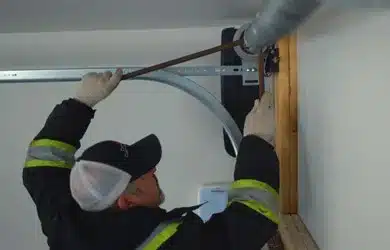
One of the most frequent malfunctions homeowners face is the dreaded broken spring. Springs bear much of the weight when the door operates, so it’s no wonder they take a beating. After years of use, springs can wear out or snap, leading to a door that won’t budge at all. Imagine coming home after a long day only to find your garage door is stuck halfway up—a broken spring can turn that evening into a frustrating ordeal.
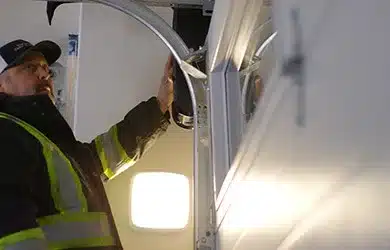
Another prevalent problem is misaligned tracks. Whether it’s from the door being bumped by a car or simply age playing its role, tracks can bend or shift over time. When this happens, the garage door may get stuck or won’t move smoothly, causing potential safety hazards if left unaddressed. Homeowners might hear grinding sounds or see the door twisting precariously as it attempts to open or close—a clear indication that the tracks need some attention.
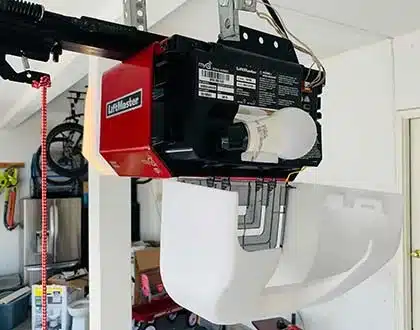
According to industry reports, broken springs account for approximately 30% of garage door repair calls, misaligned tracks for 25%, and faulty openers for 20%. These numbers underline how crucial it is for homeowners to familiarize themselves with these issues; understanding where most problems lie can help in diagnosing what’s wrong quickly and accurately.
Addressing these concerns promptly not only improves functionality but is also vital for safety—after all, an operational garage door plays a critical role in securing your home. Ignoring signs of distress can lead to more significant repairs down the line, where warranties may come into play or result in emergency services needed due to a complete malfunction.
While fixing these issues rapidly is essential, sometimes opting for a completely new setup may provide better long-term solutions and enhance your home’s overall aesthetic. As we explore options available for upgrades and replacements next, you’ll see how modern doors can offer both style and improved functionality.