
The Most Common Loading Dock Door Problems Businesses Face in Ontario
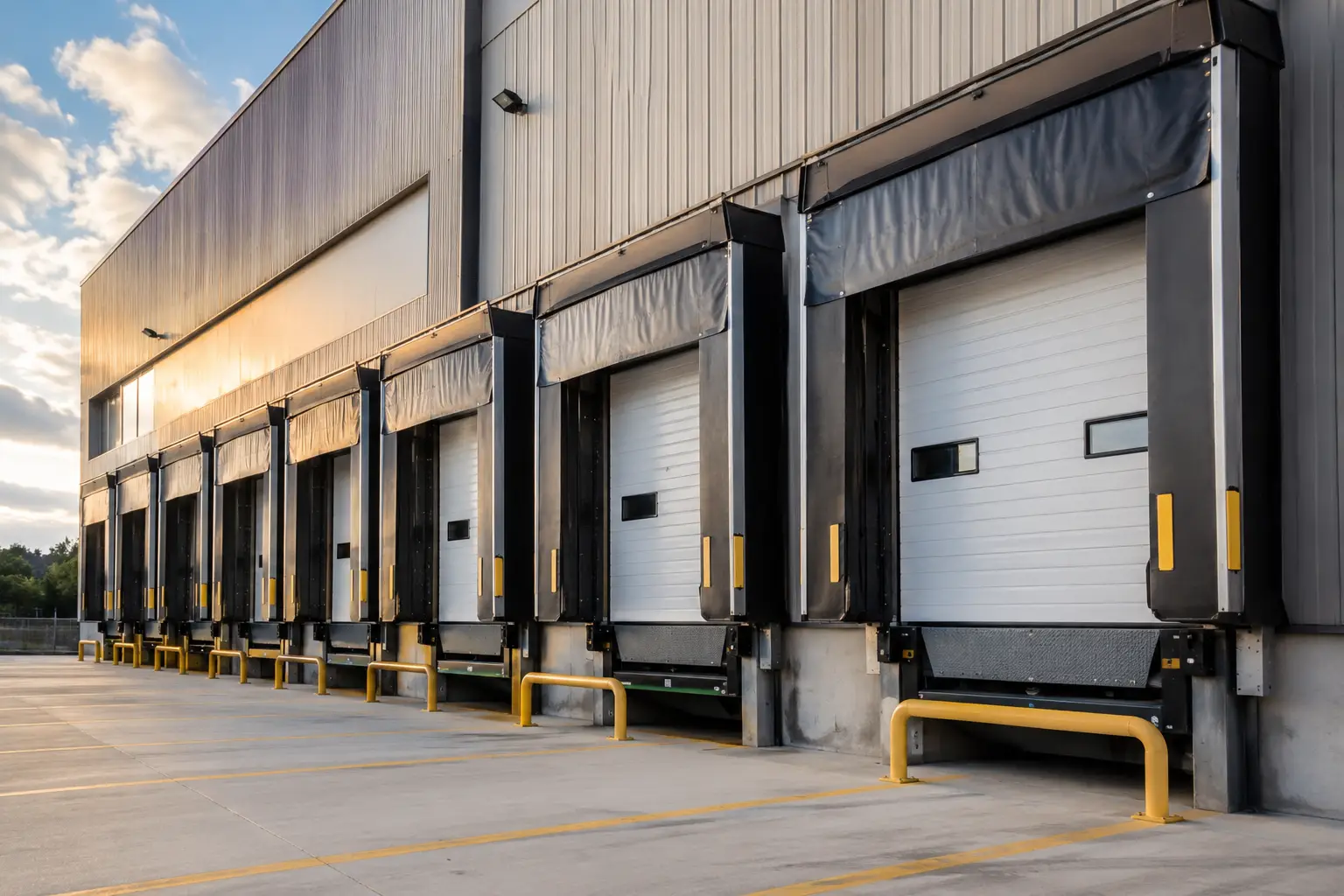
Loading dock doors are one of the hardest-working systems in any commercial or industrial facility. Warehouses, shipping centres, manufacturing plants, retail distribution hubs, and logistics facilities across Ontario rely on them every day to keep operations moving efficiently.
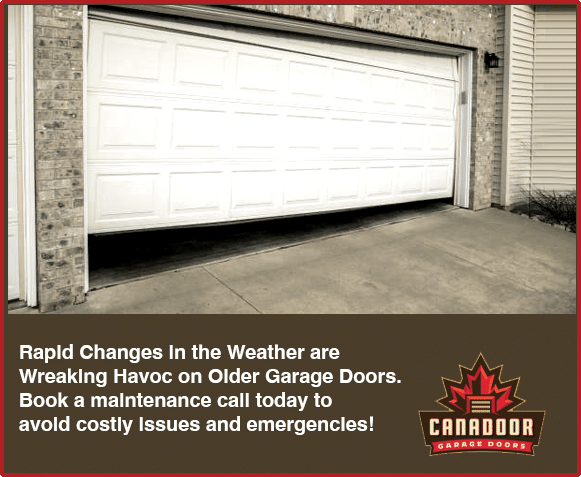
When a loading dock door fails, the impact is immediate. Deliveries slow down, employees lose productivity, security becomes a concern, and businesses often face expensive emergency repairs. In high-volume facilities throughout Toronto & the GTA, even a few hours of downtime can create serious operational problems.
Understanding the most common loading dock door issues can help businesses reduce downtime, improve safety, and avoid costly disruptions.
Loading Dock Doors Experience Constant Wear
Unlike residential garage doors, commercial loading dock systems may cycle dozens or hundreds of times each day. Heavy traffic, forklifts, changing temperatures, and constant exposure to outdoor conditions place significant stress on components.
Over time, even well-built systems begin to wear down.
This is why regular inspections and preventive maintenance for commercial garage doors are critical for businesses across Ontario.
Broken Springs and Cable Failures
Springs and cables are among the most common failure points in loading dock doors.
Why It Happens
Commercial springs are designed to handle high-cycle operation, but they eventually wear out from repeated use. Cables can fray, rust, or weaken over time, especially in facilities exposed to moisture or road salt during Ontario winters.
When these components fail, the door may:
- Become difficult to open
- Close unevenly
- Stop functioning entirely
- Create dangerous operating conditions
Why It Matters
A broken spring or cable can shut down an entire loading area. Because these components operate under extreme tension, repairs should only be handled by trained technicians.
Damaged Tracks and Misalignment
Loading dock doors depend on properly aligned tracks for smooth operation.
Common Causes
Track damage often results from:
- Forklift impact
- Heavy vibration
- Loose mounting hardware
- General wear and tear
Even slight misalignment can place additional strain on rollers, hinges, and openers.
Warning Signs
Businesses often notice:
- Jerky door movement
- Loud grinding noises
- Uneven opening or closing
- Excessive shaking
If ignored, small alignment issues can lead to complete system failure.
Weather Seal Deterioration
Ontario’s climate is particularly hard on loading dock seals.
Winter Damage
Cold temperatures, ice, moisture, and salt exposure cause seals to crack, shrink, or lose flexibility over time.
Damaged seals lead to:
- Drafts and energy loss
- Moisture intrusion
- Temperature control issues
- Increased heating and cooling costs
This is especially problematic for facilities with refrigerated or temperature-sensitive storage.
Properly maintained seals help commercial overhead doors operate more efficiently while protecting inventory and reducing energy waste.
Opener and Motor Problems
Commercial loading dock doors rely heavily on openers and motor systems.
High-Cycle Demands
In busy facilities, openers work constantly throughout the day. Over time, motors can overheat, gears can wear down, and electrical components may fail.
Common symptoms include:
- Slow operation
- Delayed response
- Unusual noises
- Intermittent failure
Electrical issues can also develop due to moisture exposure or aging wiring.
Why Quick Repairs Matter
A malfunctioning opener can create bottlenecks in shipping and receiving operations. Addressing issues early helps businesses avoid emergency downtime during peak hours.
Roller and Hinge Wear
Rollers and hinges may seem like small components, but they play a major role in overall door performance.
Signs of Wear
Worn rollers often create:
- Grinding sounds
- Increased vibration
- Rough door movement
Damaged hinges can affect panel alignment and place additional strain on the entire system.
Because loading dock doors operate so frequently, these components wear out faster than many business owners realize.
Routine maintenance helps identify worn parts before they cause larger mechanical failures.
Rust and Corrosion
Ontario businesses face ongoing exposure to moisture, snow, and road salt.
Areas Most Affected
Corrosion commonly develops on:
- Tracks
- Bottom panels
- Hinges
- Springs
- Fasteners and brackets
Facilities near loading zones are especially vulnerable because vehicles bring salt and moisture indoors throughout winter.
Long-Term Impact
Rust weakens metal components and reduces the lifespan of the entire door system.
Regular cleaning and maintenance are essential for preventing corrosion-related damage.
Sensor and Safety System Failures
Modern loading dock doors include important safety systems designed to protect employees and equipment.
Common Issues
Safety sensors may fail due to:
- Dirt or dust buildup
- Misalignment
- Wiring problems
- Physical impact
When sensors stop functioning properly, doors may refuse to close or operate unpredictably.
Safety and Compliance Concerns
Faulty safety systems increase liability risks and may violate workplace safety standards.
Routine inspections ensure all safety mechanisms are functioning correctly.
Poor Insulation and Energy Loss
Many older loading dock doors were not designed with modern energy efficiency standards in mind.
Common Problems
Poorly insulated doors contribute to:
- Heat loss during winter
- Increased energy bills
- Drafts and employee discomfort
- Strain on HVAC systems
Facilities throughout Toronto & the GTA are increasingly upgrading to insulated commercial garage door systems to improve efficiency and reduce operating costs.
Lack of Preventive Maintenance
One of the biggest reasons loading dock doors fail is simple neglect.
Many businesses wait until something breaks before calling for service. Unfortunately, this reactive approach usually leads to:
- Emergency repair costs
- Unexpected downtime
- Shortened equipment lifespan
- Larger mechanical failures
Preventive maintenance helps businesses identify small issues before they escalate.
A professional maintenance program typically includes:
- Lubrication of moving parts
- Inspection of springs and cables
- Track alignment checks
- Safety testing
- Hardware tightening
- Motor and opener inspection
For high-traffic commercial facilities, routine maintenance is one of the smartest long-term investments.
Why Ontario Businesses Need Fast, Reliable Service
When loading dock doors fail, businesses need immediate support.
Facilities in Toronto & the GTA often operate on tight shipping schedules, and delays can quickly affect customers, suppliers, and productivity.
Working with a trusted provider for commercial garage door repair and service ensures businesses receive fast response times and experienced support when issues arise.
Businesses should look for:
- Certified commercial technicians
- Emergency repair availability
- Preventive maintenance programs
- Experience with high-cycle systems
- Strong local reputation
Loading dock doors are essential to the daily operation of commercial and industrial facilities across Ontario. From broken springs and damaged tracks to opener failures and worn seals, even small problems can create major operational disruptions if ignored.
The good news is that most loading dock door issues are preventable with regular inspections, proactive maintenance, and fast professional service when needed.
By staying ahead of common problems, businesses can reduce downtime, improve safety, and extend the lifespan of their commercial door systems.
Keep Your Loading Dock Doors Operating Without Downtime
If your loading dock doors are noisy, slow, damaged, or showing signs of wear, now is the time to act before small issues turn into costly disruptions. Canadoor Garage Doors provides professional service, repairs, and preventive maintenance for commercial facilities across Ontario, including Toronto & the GTA. Call today (705) 230-8454 or request a visit to get a quote and keep your operations moving safely and efficiently.