
6 Things Business Owners Overlook When It Comes to Commercial Overhead Door Maintenance
Commercial overhead doors work hard every day. They protect your building, support shipping and receiving, and keep operations running safely. Yet many business owners only notice these doors when something goes wrong. The truth is that most major repairs and breakdowns can be avoided with consistent preventative maintenance. The problem is not lack of care, but rather the common blind spots that cause important steps to be skipped.
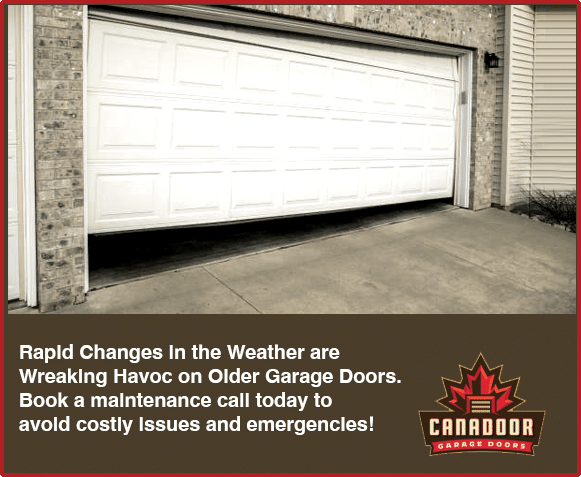
Below are six maintenance areas business owners often overlook and why staying proactive can save time, money, and disruption.
1. Ignoring Early Warning Signs
One of the biggest oversights is ignoring symptoms that something is wrong. A door that shakes during operation, makes new noises, responds slowly, or sticks halfway is telling you a problem is developing.
Many of these signs appear long before a breakdown happens. Minor issues like worn rollers, weak springs, loose hardware, or misaligned tracks can be addressed quickly if caught early. Left alone, they eventually lead to a full system failure that stops workflow and requires emergency repairs.
Think of it like noticing a squeak in your vehicle. You can deal with it now at a small cost or wait until the part breaks and shuts everything down. The same logic applies to your commercial overhead door.
2. Skipping Lubrication and Basic Cleaning
Lubrication is one of the simplest and most effective maintenance tasks, yet it is often skipped. Moving parts need lubrication to reduce friction and prevent premature wear. When components dry out, they strain against each other, create noise, and eventually break.
Cleaning is just as important. Dust, salt, dirt, and debris collect on tracks, cables, sensors, and rollers. Over time this buildup slows movement, affects alignment, and interferes with door sensors. Facilities in construction, agriculture, food processing, or logistics are especially prone to debris accumulation.
A simple routine of cleaning tracks and adding the right lubricant to hinges, rollers, and springs helps keep the door operating smoothly and extends the life of every component.
3. Forgetting to Test Safety Features
Modern overhead doors are designed with several safety features such as photo eyes, auto reverse systems, edge sensors, and emergency releases. These systems protect staff, operators, and equipment. If they fail, the risk of injury or property damage increases.
Many businesses forget to test these safety features regularly. Something as small as a misaligned sensor can cause the door to close unexpectedly or fail to stop when it should. Testing these features only takes a few minutes but provides peace of mind and ensures the door stays compliant with safety standards.
A professional maintenance visit includes full safety testing to make sure every system is working as intended.
4. Not Checking Tracks, Hinges, and Hardware
Tracks and hardware hold the entire overhead door in place. These parts carry the weight of the door every time it opens and closes. When they shift, loosen, or wear down, the entire system becomes unstable.
Yet many business owners overlook hardware during maintenance. Bolts work themselves loose over time. Hinges crack under strain. Tracks get bent by forklifts or shifting pallets. Even a slight misalignment can force the door to work harder, strain the opener, or cause sections of the door to warp.
A periodic inspection of hinges, brackets, bolts, tracks, rollers, and cable condition can prevent sudden failures and maintain a safe operating environment.
5. Neglecting the Opener, Motor, and Electrical Components
Most attention goes to the door itself, but the opener system is equally important. The motor, wiring, switches, belts, and control panels must be maintained just like the physical door.
Common issues include:
-
Loose or frayed wiring
-
Worn belts or chains
-
Weak motor performance
-
Misconfigured limit switches
-
Faulty control buttons or keypads
Business owners often forget that the opener system does most of the lifting work. When neglected, it becomes more prone to overheating, short circuits, and complete failure.
Regular service helps ensure the motor produces consistent power, the opener stays balanced with the door weight, and all electronic components communicate properly.
6. Overlooking Weather Seals and Energy Loss
Weather seals seem minor, but they play an important role in protecting the building. When seals crack, shrink, or fall off, they allow drafts, pests, dust, and moisture to enter the building.
For climate controlled spaces, missing seals cause significant energy loss. Heating and cooling systems work harder, resulting in higher monthly utility bills. In manufacturing or food facilities, damaged seals also affect insulation and cleanliness standards.
Replacing worn seals is inexpensive but often forgotten. It is a small step that improves energy efficiency and protects the building from unnecessary exposure to the elements.
Why Preventative Maintenance Matters
Commercial overhead doors are critical to business operations. A single failure can halt loading docks, interrupt production, delay shipments, or create safety hazards for staff. Preventative maintenance directly reduces these risks by:
-
Catching small issues before they become large
-
Avoiding emergency service calls and downtime
-
Extending the lifespan of doors, motors, and hardware
-
Keeping the workplace safe for employees and visitors
-
Maintaining manufacturer warranties and compliance
Think of preventative maintenance as insurance for your building infrastructure. You invest a little now to avoid paying much more later.
How Often Should You Service Your Commercial Overhead Doors?
Most commercial doors benefit from at least two professional maintenance visits per year. High traffic facilities, such as distribution centers, parking garages, and manufacturing plants, may require quarterly service.
During a professional maintenance visit, technicians will:
-
Inspect all mechanical components
-
Check and tighten hardware
-
Clean tracks and lubricate moving parts
-
Test safety sensors and auto-reverse systems
-
Evaluate opener performance
-
Check springs and cables for wear
-
Inspect weather seals and alignment
This comprehensive approach ensures the door stays safe, efficient, and ready for daily use.
Commercial overhead doors are one of the most used yet most overlooked pieces of equipment in a building. By paying attention to the six areas above and scheduling regular preventative maintenance, business owners can avoid downtime, protect employees, and ensure long-lasting performance from their doors.
If it has been a while since your last service visit, now is the ideal time to get ahead of problems before they disrupt operations.
Need maintenance or a professional inspection? Contact Canadoor today to schedule your service and keep your overhead doors running safely and reliably.