
7 Common Commercial Door Safety Hazards (and How to Prevent Them)
In any commercial or industrial setting, safety is always a top priority. From busy warehouses to auto shops and logistics hubs, commercial overhead doors are essential for daily operations—but they can also be one of the biggest sources of workplace accidents if not maintained properly.
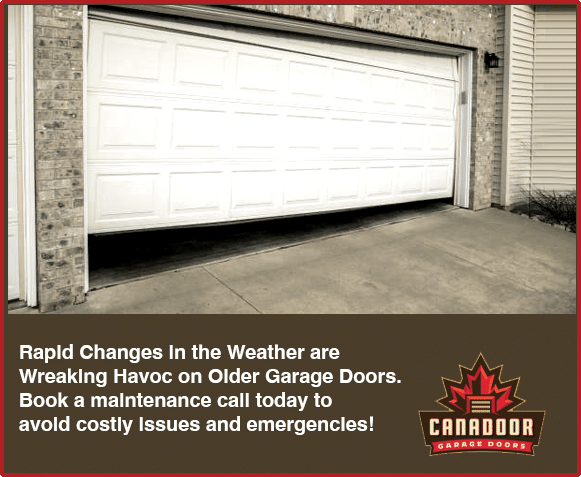
Heavy moving parts, high-tension springs, and constant daily use mean that even a minor malfunction can lead to serious injury or expensive downtime. Recognizing common safety hazards and knowing how to prevent them is the key to keeping your facility secure and your employees safe.
At Canadoor Garage Doors, we’ve seen nearly every type of issue in facilities across Barrie, Sudbury, and the Greater Toronto Area. Below, we break down seven of the most common commercial door safety hazards—and what you can do to prevent them.
1. Broken or Worn Springs
Commercial overhead doors rely on high-tension torsion or extension springs to lift and lower heavy panels. These springs are under tremendous pressure. Over time, they weaken or snap due to wear, corrosion, or lack of lubrication.
Why it’s dangerous:
A broken spring can cause the entire door to drop suddenly or slam shut unexpectedly. The force is strong enough to injure anyone standing underneath or damage vehicles, forklifts, and equipment.
How to prevent it:
Schedule regular inspections by certified technicians. They can measure spring tension, apply proper lubrication, and replace worn components before failure occurs. Never attempt to replace or adjust springs yourself—improper handling can cause severe injuries.
Example: A manufacturing facility in Barrie avoided costly downtime by having Canadoor technicians replace aging torsion springs during a preventive maintenance check, before they failed during a busy production cycle.
2. Faulty Safety Sensors
All modern commercial doors come equipped with photo-eye sensors or safety edges that prevent the door from closing if something—or someone—is in the way. When these sensors are dirty, misaligned, or broken, they stop detecting obstacles correctly.
Why it’s dangerous:
If sensors malfunction, the door could close unexpectedly, trapping or striking an employee, vehicle, or piece of equipment.
How to prevent it:
Inspect sensors regularly. Make sure the lenses are clean and aligned. Test their functionality by placing an object in the door’s path—if the door doesn’t reverse, call a technician immediately. For facilities with multiple doors, integrate safety checks into your monthly maintenance routine.
3. Improper Manual Operation
Many commercial doors are operated manually during power outages or maintenance. If the door’s counterbalance system is not functioning correctly, the door may feel extremely heavy or close abruptly.
Why it’s dangerous:
Forcing a door open or closed manually when the spring system is unbalanced can cause the door to drop or the operator to lose control, resulting in back injuries or crushed fingers.
How to prevent it:
Ensure all employees who operate doors manually are properly trained. Keep handles, cables, and pull chains in good condition and clearly labeled. If a door feels heavier than usual or resists movement, stop using it and schedule an inspection.
4. Lack of Preventive Maintenance
One of the biggest safety hazards isn’t a single malfunction—it’s neglect. Without preventive maintenance, moving parts wear down faster, bolts loosen, lubrication dries up, and safety systems fail quietly in the background.
Why it’s dangerous:
A small issue like a misaligned roller or loose hinge can quickly escalate into a door jam, cable snap, or off-track door. These failures often happen without warning, especially in high-cycle environments where doors open hundreds of times per day.
How to prevent it:
Enroll in a scheduled maintenance program like Canadoor’s Safedoor PM. Regular service includes full inspections, lubrication, balance testing, and part replacement before problems occur. Planned maintenance keeps doors operating safely and reduces the risk of sudden failures.
5. Damaged Tracks or Rollers
The track system guides the door’s movement. When rollers wear down or tracks bend from impact, the door can come off its rails entirely. In busy warehouses, this often happens when forklifts or trucks accidentally bump the lower panels.
Why it’s dangerous:
A door off its track is unstable and unpredictable. It can collapse under its own weight or jam halfway, posing a risk to anyone nearby.
How to prevent it:
Keep the area around the door clear of obstacles. Train forklift operators to approach slowly and avoid direct contact with panels. Schedule quarterly inspections to check roller wear, track alignment, and fastener tightness. Upgrading to heavy-duty nylon rollers can also reduce vibration and wear.
Example: A distribution center in Orillia avoided a major accident after technicians discovered a bent track during routine service. Early detection prevented the door from derailing under load.
6. Electrical and Opener Failures
Commercial openers are built to handle frequent use, but like any motorized equipment, they can develop electrical problems over time. Loose wiring, power surges, and aging control panels may cause the door to stop mid-cycle or close unexpectedly.
Why it’s dangerous:
Electrical faults can lead to sudden movement, trapping people or damaging vehicles. They can also disable safety features such as auto-reverse sensors.
How to prevent it:
Only licensed technicians should service electrical components. Regularly inspect opener housings for damage or exposed wiring. Use surge protection devices to shield the system from voltage spikes, and replace outdated openers with models that meet current safety codes.
7. Neglecting Employee Training and Safety Protocols
Even with the best equipment, accidents happen when employees aren’t trained to operate doors safely. Many injuries occur when workers try to force a stuck door, stand beneath a moving door, or bypass safety mechanisms to speed up operations.
Why it’s dangerous:
Human error accounts for a large percentage of workplace door-related injuries. Without proper procedures, even a well-maintained door can become a hazard.
How to prevent it:
Develop and enforce clear safety guidelines for door operation. Train employees to:
-
Never walk or drive under a moving door.
-
Report any unusual noises, delays, or malfunctions immediately.
-
Keep hands and tools away from hinges, rollers, and springs.
-
Use proper signage to warn of maintenance or out-of-service doors.
Periodic refresher training helps reinforce these habits and fosters a culture of safety.
Why Proactive Safety Measures Matter
A commercial overhead door can weigh several hundred pounds and move dozens of times per day. When it’s not properly maintained, that combination of weight and motion becomes a significant safety risk.
Ignoring small problems—like squeaks, delays, or uneven motion—can quickly escalate into catastrophic failure. Beyond the obvious danger to employees, an accident involving a door can lead to:
-
Property and inventory damage
-
Lost work time and operational delays
-
Workers’ compensation claims
-
Costly legal liability
Preventive safety measures cost a fraction of what a serious accident can cost your business.
Partner With Canadoor for Safer Operations
At Canadoor Garage Doors, safety is built into everything we do. We provide comprehensive inspection, repair, and maintenance services for commercial and industrial doors across Barrie, Sudbury, Simcoe County, and the Greater Toronto Area.
Our certified technicians complete in-house training and use advanced tools to ensure every system meets current safety standards. Through our Safedoor PM program, businesses receive scheduled maintenance, detailed reports, and peace of mind knowing their doors are always in top condition.
Safety starts with awareness and consistency. By watching for early warning signs and committing to regular maintenance, you can protect your employees, equipment, and bottom line.
Don’t wait for an accident to happen.
Call Canadoor Garage Doors today to schedule your commercial door safety inspection. We’ll help you identify potential hazards, correct issues before they escalate, and keep your operations running safely and efficiently year-round.