
Common Winter Garage Door Issues and How to Fix Them
When temperatures drop, your home’s garage door becomes more vulnerable to a range of seasonal problems. Cold weather, snow, ice, and moisture can all affect how well the door opens, closes, and responds to your remote or wall switch. For many homeowners, winter is when garage door issues appear for the first time or existing problems suddenly get worse. The good news is that most winter-related garage door troubles have simple explanations and straightforward solutions.
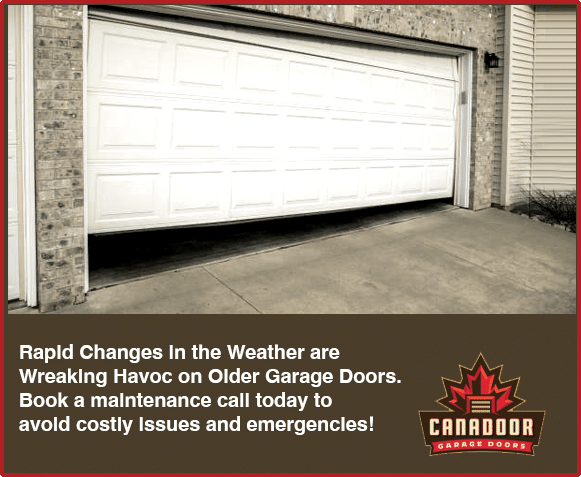
Below are the most common garage door issues during Canada’s cold season and what you can do to fix them before they turn into bigger, more expensive problems.
1. Garage Door Won’t Open or Moves Slowly
When temperatures dip, metal components contract. Springs, rollers, tracks, and even your opener’s motor work harder in colder weather, which can cause the door to stick, move sluggishly, or fail to open altogether.
Why It Happens
-
Lubricants thicken in the cold
-
Metal contracts and increases friction
-
Older springs weaken in winter
-
The opener motor strains due to temperature drop
How to Fix It
-
Lubricate moving parts with a cold-weather safe lubricant
Avoid thick grease. Use a silicone-based spray for tracks, rollers, hinges, and springs. -
Warm up the garage if possible
Even a small space heater can help loosen parts temporarily. -
Check your opener’s force settings
If the opener struggles, it may need adjustment by a professional. -
Schedule a spring inspection
Springs lose elasticity in the cold and may need tightening or replacement.
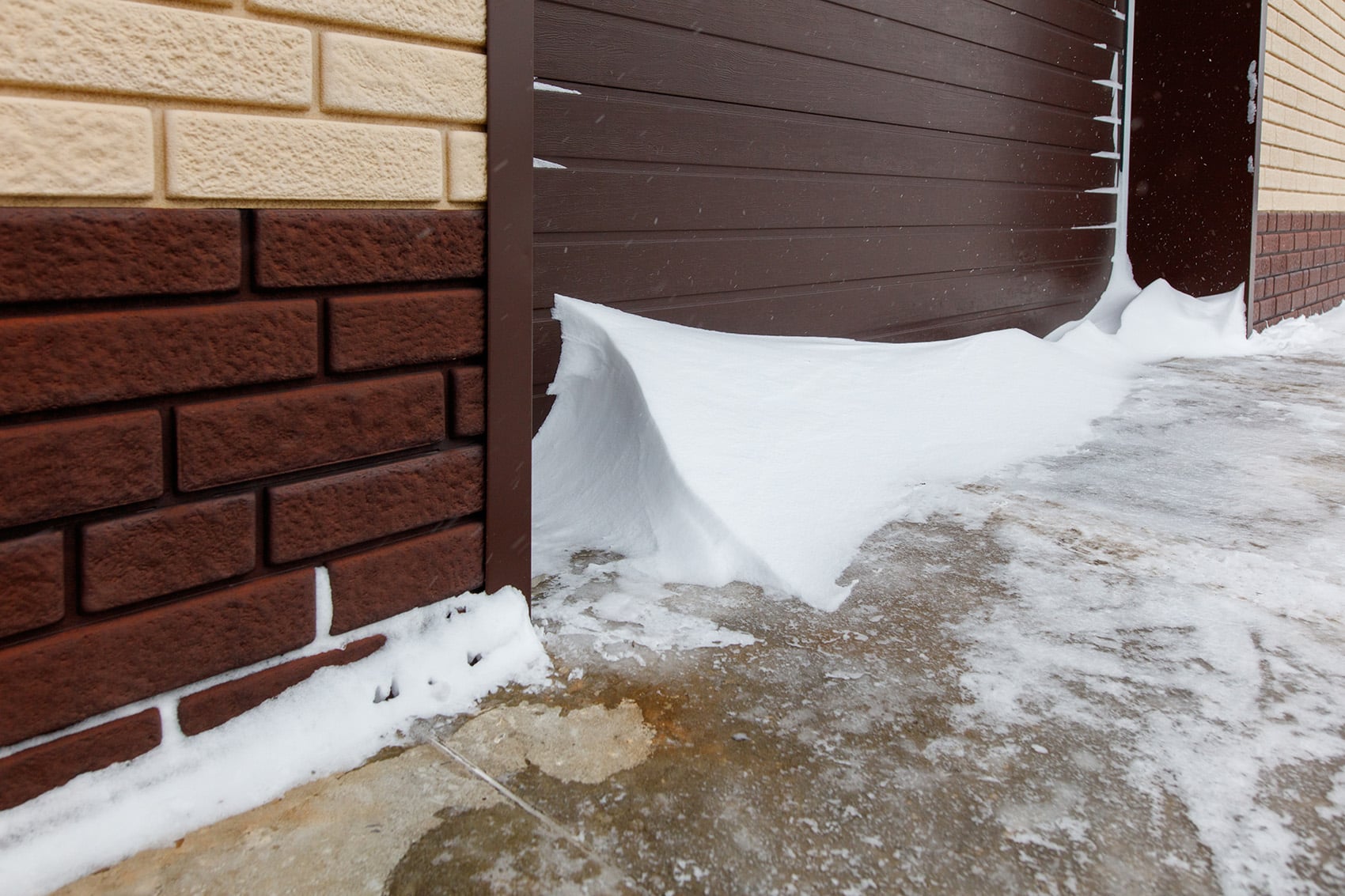
2. Frozen Garage Door or Weather Stripping
One of the most common winter complaints is a garage door that freezes to the ground. Moisture collects at the base and creates a solid ice bond between the weather seal and the concrete.
Why It Happens
-
Melted snow settles under the door
-
Overnight temperature drops freeze the water
-
Old or cracked weather stripping absorbs moisture
How to Fix It
-
Never force the door open
You can easily rip the weather seal or break the opener. -
Use warm (not boiling) water
Pour along the bottom of the door to melt the ice. Dry the area afterwards. -
Apply ice melt sparingly
Choose a product safe for concrete and rubber seals. -
Replace worn weather stripping
New seals prevent moisture buildup and reduce freeze-downs.
3. Remote or Keypad Not Responding
Cold weather impacts the performance of electronics, including garage door remotes and wireless keypads.
Why It Happens
-
Batteries lose power faster in cold temperatures
-
Ice buildup can block the sensor signal
-
Condensation affects keypad buttons
How to Fix It
-
Replace remote batteries
A fresh set often solves the issue instantly. -
Clean the photo-eye sensors
Remove snow, ice, or frost that may be blocking the beam. -
Check for condensation in the keypad
If present, remove the cover and let it dry for a few hours. -
Inspect antenna position
Ensure the opener’s antenna is hanging straight down for proper signal reception.
4. Photo-Eye Sensors Misaligned or Blocked
Winter moisture, salt, and slush can easily cover or shift the photo eyes that keep your door from closing on objects.
Why It Happens
-
Salt spray and dirt from the driveway
-
Snow and ice block the infrared beam
-
Cold weather makes mounting brackets shift
How to Fix It
-
Wipe sensors clean with a dry cloth
Make sure no snow or grime covers the lens. -
Check alignment
Both sensors should face each other at the same height. -
Tighten loose brackets
Winter contraction may shift hardware out of place. -
Test the safety system
Try closing the door. If the light blinks, the safety beam is not functioning correctly and needs adjustment.
5. Loud Noises When Opening or Closing
Garage doors naturally make more noise in cold weather, but excessive grinding, squeaking, or popping indicates something needs attention.
Why It Happens
-
Cold-stiffened rollers or hinges
-
Dry or hardened lubricant
-
Springs contracting
How to Fix It
-
Lubricate all moving parts
Use a non-drip silicone spray. Avoid household oils. -
Check rollers
Plastic rollers freeze faster and wear quickly. Consider upgrading to nylon rollers for quieter, smoother winter performance. -
Schedule a professional tune-up
If the noise continues, a trained technician can determine whether the springs or bearings are the cause.
6. Cracked or Brittle Weather Seals
Weather stripping keeps cold air, rodents, snow, and salt out of your garage. In winter, the rubber loses flexibility and can split, crumble, or detach.
Why It Happens
-
Extreme cold stiffens rubber
-
Salt and ice buildup deteriorates the material
-
Sun exposure during summer weakens the seal, making winter damage worse
How to Fix It
-
Inspect the bottom and side seals
Look for gaps, splits, or hardened sections. -
Replace damaged sections promptly
New weather stripping improves energy efficiency and prevents freeze-downs. -
Clear snow away from the door regularly
This prevents pressure on the seal and reduces moisture exposure.
7. Broken Springs Due to Temperature Stress
Springs take on most of the lifting force for your garage door. Cold weather puts additional tension on metal, making it more prone to snapping.
Why It Happens
-
Metal contracts in cold temperatures
-
Springs weaken with age
-
Salt corrosion accelerates wear
How to Fix It
Do not attempt to repair or replace springs yourself.
Garage door springs carry extreme tension and can be dangerous.
Instead:
-
Call a certified technician
They have the tools and training to replace springs safely. -
Schedule regular spring inspections
Preventative maintenance reduces the risk of winter breakage. -
Consider upgrading to high-cycle torsion springs
These last longer and handle winter stress more effectively.
Final Tips to Prevent Winter Garage Door Problems
Here are a few extra habits to keep your door working smoothly all winter long:
-
Keep the garage clean and dry
-
Sweep snow away from the door regularly
-
Run the opener a few times on cold mornings to warm the system
-
Have your door serviced before temperatures drop
Small steps go a long way toward preventing winter wear.
Need Professional Help?
Winter can push your garage door to its limit. If you’re dealing with slow operation, freezing, or mechanical issues, the safest solution is a professional inspection.
Need expert repair or a winter tune-up? Contact Canadoor today to schedule your service and keep your garage door running smoothly all season.