
Garage Door Noises Explained: What Squeaks, Grinding, and Banging Usually Mean
Your garage door should not sound like it is struggling every time you press the opener. While some operational noise is normal, loud squeaks, grinding, banging, or rattling sounds are usually warning signs that something needs attention.
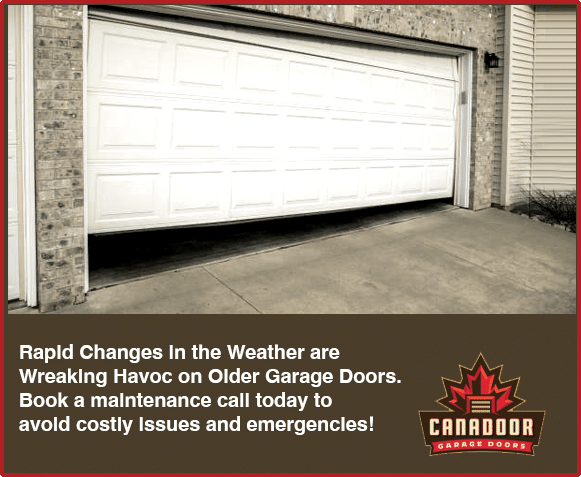
Ignoring unusual garage door noises can lead to bigger mechanical failures, costly repairs, or even safety risks. Understanding what those sounds mean helps you act early and prevent more serious damage.
Here is a breakdown of the most common garage door noises and what they typically indicate.
Squeaking or High-Pitched Screeching
If your garage door makes a high-pitched squeaking sound when opening or closing, it is often caused by friction.
What It Usually Means
Squeaking typically points to:
-
Dry or worn rollers
-
Unlubricated hinges
-
Springs lacking lubrication
-
Metal parts rubbing together
Garage doors have multiple moving components. When lubrication wears off over time, friction increases, producing that familiar squeal.
How to Fix It
In many cases, applying a proper garage door lubricant to hinges, rollers, and springs can resolve the issue. Avoid using heavy grease or general-purpose oils, as they attract dust and debris.
If lubrication does not reduce the noise, the rollers may be worn and require replacement. Nylon rollers are often quieter than metal ones and can significantly reduce operational noise.
Grinding Sounds
A grinding noise is more serious than a simple squeak. It often signals metal-on-metal contact or motor strain.
What It Usually Means
Grinding sounds may indicate:
-
Worn-out rollers
-
Bent or misaligned tracks
-
Damaged bearings
-
Failing garage door opener gears
If the grinding is coming from the opener unit itself, internal gears may be deteriorating. If it comes from the door path, the rollers or track alignment may be the issue.
Why You Should Not Ignore It
Grinding increases wear on your entire system. What starts as a minor roller issue can escalate into track damage or motor failure if left unresolved.
If you hear grinding, schedule a professional inspection before the damage spreads.
Banging or Loud Popping
A loud bang when operating your garage door can be alarming. Sometimes it happens suddenly during operation or when the door reaches a certain position.
What It Usually Means
A banging sound can point to:
-
A broken torsion spring
-
Loose hardware
-
Sudden tension release in the spring system
-
Sections of the door slamming due to imbalance
One of the most common causes is a snapped spring. When a torsion spring breaks, it often produces a loud popping or gunshot-like sound.
Safety Warning
Garage door springs are under extreme tension. If you suspect a broken spring, do not attempt to operate or repair the door yourself. This is a job for trained technicians.
Rattling or Vibrating
Rattling noises often occur when the door is moving and may be accompanied by noticeable vibration.
What It Usually Means
Rattling can be caused by:
-
Loose bolts and brackets
-
Worn hinges
-
Door panels shaking due to imbalance
-
Chain drive tension issues
Over time, constant movement can loosen hardware. Even minor vibrations during daily use can cause screws and bolts to back out.
How to Fix It
Inspect visible hardware and tighten any loose bolts. However, if the rattling continues, the door may be out of balance or the track alignment may need adjustment.
A properly balanced door should move smoothly without excessive shaking.
Slamming Shut
If your garage door slams shut instead of closing smoothly, this is a serious concern.
What It Usually Means
A door that drops quickly often indicates:
-
Broken or failing springs
-
Worn cables
-
Incorrect spring tension
The springs are responsible for counterbalancing the weight of the door. If they fail, the opener cannot properly control the descent.
Immediate Action Required
A slamming door is dangerous. It can damage property or cause injury. Stop using the door and contact a professional immediately.
Clicking But Not Moving
Sometimes you may hear clicking from the opener, but the door does not move.
What It Usually Means
This can indicate:
-
Stripped gears in the opener
-
Electrical or circuit board issues
-
Motor failure
-
A door that is jammed or off-track
If the motor runs but the door stays still, internal components may need replacement.
Electrical problems should be addressed by a qualified technician to ensure safety and proper operation.
Scraping or Dragging Sounds
If your garage door sounds like it is dragging across the floor or scraping against something, the issue may be structural.
What It Usually Means
Scraping noises often suggest:
-
Misaligned tracks
-
Warped panels
-
Settling foundation
-
Worn bottom seal dragging unevenly
In colder climates, ice buildup can also cause scraping as the door sticks to the ground.
Track alignment issues should be corrected quickly to prevent roller damage and further structural strain.
Humming Without Movement
A humming sound without door movement often indicates the opener is receiving power but cannot lift the door.
Possible Causes
-
Broken spring preventing lift
-
Obstruction in the track
-
Burned-out motor capacitor
-
Locked manual release
If the door feels unusually heavy when attempting manual operation, the spring system may be compromised.
When Noise Means Replacement Instead of Repair
Not all noises mean you need a new door. However, if your garage door is:
-
More than 15 to 20 years old
-
Frequently breaking down
-
Visibly warped or rusted
-
Noisy despite repeated repairs
It may be more cost-effective to replace the system entirely.
Modern insulated garage doors with upgraded rollers and belt-drive openers operate significantly quieter than older models.
Preventing Future Garage Door Noise
Regular maintenance goes a long way in preventing excessive noise.
Recommended maintenance includes:
-
Lubricating moving parts every six months
-
Inspecting springs and cables annually
-
Tightening hardware periodically
-
Testing safety features monthly
-
Scheduling professional inspections
Catching minor issues early prevents louder and more expensive problems later.
Final Thoughts
Your garage door communicates through sound. Squeaks signal friction. Grinding warns of wear. Banging may indicate spring failure. Rattling suggests loose hardware.
While some minor noise can be resolved with lubrication or tightening, persistent or loud sounds should never be ignored.
Addressing unusual garage door noises early protects your home, your safety, and your budget.
If your garage door is making unfamiliar sounds, scheduling a professional inspection can help diagnose the issue before it turns into a major repair. A quiet, smooth-running garage door is not just convenient. It is a sign of a properly functioning system.