
How Long Should a Garage Door Last in Ontario?
A garage door is one of the largest moving systems in your home and one of the most frequently used. Many homeowners use their garage door multiple times every day without giving much thought to how long it will last.
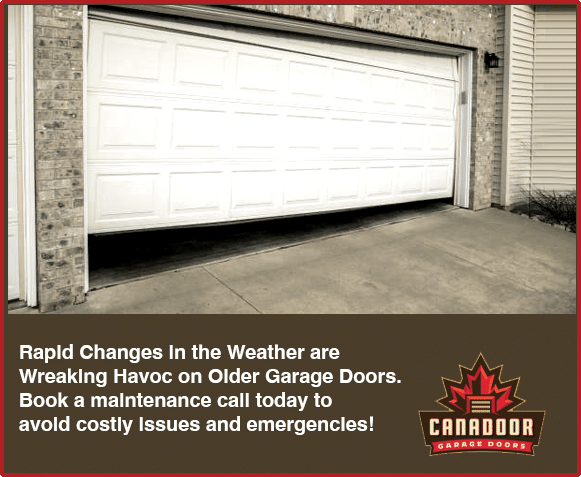
The reality is that a garage door will not last forever. Ontario‘s climate, daily usage, maintenance habits, and the quality of the original installation all play a role in determining its lifespan. While some doors can perform reliably for decades, others may begin showing signs of wear much sooner.
Understanding what affects garage door longevity can help homeowners make informed decisions about repairs, maintenance, and eventual replacement.
The Average Lifespan of a Garage Door
In Ontario, a quality garage door can typically last between 15 and 30 years.
The wide range comes down to several factors. A well-maintained garage door that is professionally installed and protected from excessive wear may last closer to the 30-year mark. On the other hand, a door that experiences heavy use, harsh weather exposure, or neglected maintenance may need replacement much sooner.
It’s important to remember that a garage door system consists of multiple components, each with its own lifespan. While the door panels themselves may last for decades, springs, rollers, cables, and openers often require replacement earlier.
Ontario Weather Has a Big Impact
Ontario homeowners face weather conditions that can be particularly hard on garage doors.
During winter, garage doors are exposed to freezing temperatures, snow, ice, and road salt. In summer, they face heat, humidity, and UV exposure. These constant seasonal changes cause materials to expand and contract repeatedly throughout the year.
Moisture can accelerate corrosion on metal components, while extreme cold can place additional strain on springs and openers. Over time, weather exposure contributes significantly to wear and tear.
This is one reason many homeowners choose insulated residential garage doors. Better insulation helps stabilize temperatures while providing additional structural strength and durability.
How Daily Use Affects Lifespan
A garage door that opens and closes twice per day experiences far less wear than one operating eight or ten times daily.
Every opening and closing cycle places stress on the system. Springs, rollers, hinges, cables, and openers all experience gradual wear with each cycle.
For example, many torsion springs are rated for a specific number of cycles. Once that limit is reached, replacement becomes necessary regardless of the age of the door itself.
Homes where the garage serves as the primary entrance often experience significantly more wear than homes where the front door is used more frequently.
Quality Matters
Not all garage doors are built the same.
Higher-quality doors generally use stronger materials, better insulation, more durable hardware, and superior finishes. These features help them withstand Ontario’s climate and daily use more effectively.
A lower-cost garage door may save money initially, but it may also require repairs more frequently and have a shorter overall lifespan.
Investing in a quality garage door installation often provides better long-term value through improved durability and lower maintenance costs.
The Importance of Maintenance
One of the biggest factors affecting garage door lifespan is maintenance.
Regular inspections and servicing help identify small issues before they become larger problems. Components such as rollers, hinges, tracks, and springs all benefit from periodic maintenance.
Simple tasks such as lubrication, cleaning, and hardware adjustments can significantly extend the life of a garage door system.
Homeowners who neglect maintenance often find themselves dealing with avoidable repairs and premature component failures.
Professional garage door maintenance helps ensure that the entire system continues operating safely and efficiently.
Signs Your Garage Door Is Aging
Many homeowners wonder how to tell whether their garage door is nearing the end of its lifespan.
Several warning signs may indicate that the system is wearing out:
- Frequent repair calls
- Excessive noise during operation
- Visible rust or corrosion
- Slow or uneven movement
- Sagging sections
- Rising energy costs due to poor insulation
Occasional repairs are normal, but repeated problems often suggest that the system is approaching replacement age.
If you find yourself repeatedly scheduling garage door repairs, it may be time to evaluate whether replacement makes more financial sense.
When Repairs Still Make Sense
Not every aging garage door needs to be replaced immediately.
If the door is structurally sound and the issue is limited to one or two components, repairs can often restore reliable operation.
Replacing worn rollers, cables, weather seals, or springs can extend the life of an otherwise healthy system. Many homeowners continue using their existing garage door successfully for years after completing targeted repairs.
A professional inspection can help determine whether repair or replacement is the better option.
When Replacement Becomes the Better Investment
Eventually, every garage door reaches a point where replacement becomes the smarter choice.
This often happens when repair costs begin adding up or when multiple components start failing around the same time.
New garage doors offer several advantages beyond simply solving existing problems. Homeowners often benefit from improved energy efficiency, quieter operation, enhanced security features, and increased curb appeal.
Modern garage doors are also designed to meet current safety standards and can often improve the overall value of a home.
For homeowners planning to stay in their property long-term, replacement can be a worthwhile investment in both comfort and reliability.
Extending the Life of Your Garage Door
The good news is that there are several ways to maximize the lifespan of your garage door.
Regular maintenance, prompt repairs, proper lubrication, and professional inspections all contribute to longer system life.
Choosing quality replacement parts when repairs are needed also helps ensure continued reliability.
Most importantly, addressing small issues early prevents them from developing into larger problems that place additional strain on the entire system.
Final Thoughts
A garage door in Ontario can often last between 15 and 30 years, but its actual lifespan depends on weather exposure, usage, maintenance, and overall quality.
While some components will naturally require replacement over time, regular care can help homeowners get the maximum value from their investment. Understanding the warning signs of an aging system also makes it easier to decide when repairs are sufficient and when replacement becomes the smarter long-term choice.
Keep Your Garage Door Performing Its Best
Whether your garage door is showing signs of age or simply needs a professional inspection, Canadoor Garage Doors can help. Our team provides expert garage door repair, maintenance, and installation services across Ontario. Call today or request a visit to get a quote and ensure your garage door continues operating safely and reliably for years to come.