
How to Prepare Your Commercial Garage Doors for Peak Season Operations
When peak season hits, your commercial garage doors become one of the hardest-working systems in your facility. Whether you operate a warehouse near Lake Simcoe, a distribution centre in the GTA, or a manufacturing facility in Northern Ontario, increased traffic means increased wear and tear. The last thing any business owner wants during their busiest time of year is unexpected downtime caused by a failing overhead door.
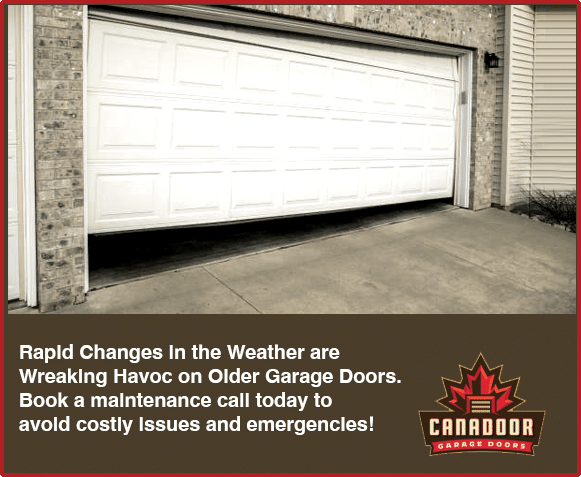
Preparing your commercial garage doors before peak season begins is not just about maintenance. It is about protecting revenue, ensuring employee safety, and maintaining operational efficiency when it matters most.
Here is how to get your commercial garage doors ready before demand ramps up.
1. Schedule a Professional Pre-Season Inspection
The most important step is a full system inspection by certified technicians. A commercial overhead door system includes many moving parts that experience stress daily:
-
Torsion springs
-
Lift cables
-
Rollers and hinges
-
Tracks and brackets
-
Motor operators
-
Safety sensors
-
Control panels
During peak season, door cycles can double or even triple. What may seem like a minor issue during slower months can quickly escalate into a costly failure under heavier use.
A professional inspection identifies worn springs, frayed cables, misaligned tracks, loose hardware, and operator strain before they lead to emergency breakdowns.
Preventative service now avoids emergency service later.
2. Test High-Cycle Components
Commercial doors in warehouses, logistics centres, and loading dock environments often operate dozens or hundreds of times per day. Over time, high-cycle components weaken.
Pay special attention to:
Springs
Springs are rated by cycles. When nearing the end of their lifespan, they can snap without warning, bringing operations to a halt.
Cables
Frayed or corroded cables are a serious safety risk. If one fails under load, the door can become unstable.
Rollers
Worn rollers create drag, increase motor strain, and reduce efficiency.
Replacing high-wear components before peak season reduces the chance of sudden downtime during critical production periods.
3. Inspect and Calibrate Safety Systems
Safety compliance is not optional, especially in high-traffic commercial facilities.
Before peak season, ensure:
-
Photo-eye sensors are aligned and functioning
-
Emergency stop systems respond immediately
-
Auto-reverse mechanisms activate properly
-
Manual release systems operate smoothly
Increased activity means more forklifts, delivery trucks, and employees moving through doorways. A malfunctioning safety sensor during peak season can lead to accidents, liability issues, and insurance complications.
Testing and calibrating these systems in advance protects your people and your business.
4. Lubricate and Tighten All Moving Parts
Friction is the silent enemy of commercial overhead doors. Without proper lubrication, metal components grind against each other, increasing wear and shortening system lifespan.
Before peak season:
-
Lubricate hinges, rollers, bearings, and springs
-
Tighten bolts, brackets, and track hardware
-
Check operator chains and belts
Think of this like preparing heavy machinery for a busy production run. Smooth operation reduces strain on motors and lowers the risk of breakdown under heavy demand.
5. Evaluate Door Balance and Alignment
An unbalanced door places unnecessary stress on the operator and lifting system. During peak season, this added strain accelerates mechanical failure.
To test balance:
-
Disconnect the opener
-
Lift the door halfway manually
-
It should stay in place without drifting up or down
If the door moves on its own, the spring system likely requires adjustment.
Proper alignment ensures smooth travel along tracks, preventing roller damage and premature wear.
6. Assess Weather Seals and Insulation
Peak season often coincides with weather extremes. In Ontario, that could mean summer heat or winter freezing temperatures.
Damaged or worn weather seals can:
-
Increase energy costs
-
Allow moisture intrusion
-
Affect temperature-sensitive inventory
-
Create unsafe icy surfaces near loading docks
Inspect bottom seals, perimeter weather stripping, and insulation panels. Replacing worn seals improves energy efficiency and protects inventory.
If your facility relies on climate control, insulated sectional doors or high-speed doors can dramatically reduce heat loss during frequent cycles.
7. Check Operator Performance Under Load
Door operators work harder during peak months. Motors that function adequately during slow periods may struggle under heavy cycle demands.
Evaluate:
-
Opening and closing speed
-
Motor noise
-
Vibration levels
-
Control panel responsiveness
If you notice delays, grinding sounds, or overheating, your operator may require servicing or upgrading.
In high-traffic environments, upgrading to a high-cycle or heavy-duty operator before peak season can prevent costly interruptions.
8. Inspect Loading Dock Integration
For facilities with dock levelers, shelters, and seals, peak season means more truck traffic and tighter turnaround schedules.
Make sure:
-
Dock levelers operate smoothly
-
Dock seals are intact
-
Impact damage is addressed
-
Bumpers are secure
Loading dock systems and overhead doors work together. If one fails, your entire shipping and receiving operation slows down.
A coordinated inspection ensures seamless operation during busy periods.
9. Create a Preventative Maintenance Schedule
Preparation is not a one-time event. Peak season readiness should be part of an ongoing maintenance strategy.
A structured preventative maintenance program typically includes:
-
Quarterly inspections
-
Annual safety testing
-
Spring and fall tune-ups
-
High-cycle component replacement planning
Facilities that implement scheduled maintenance reduce breakdown risk by a significant margin compared to reactive repair models.
Planning ahead prevents operational surprises.
10. Train Staff on Early Warning Signs
Your employees are the first line of defence against mechanical failure.
Encourage staff to report:
-
Unusual noises
-
Slower door movement
-
Jerky operation
-
Visible cable damage
-
Door imbalance
Early reporting allows for quick intervention before issues escalate during peak season.
A simple training reminder can save thousands in emergency repair costs.
Why Preparation Matters More During Peak Season
Commercial overhead doors are not just access points. They are critical infrastructure. When they fail during peak season:
-
Shipments are delayed
-
Revenue is lost
-
Customers become frustrated
-
Employees are forced into workarounds
-
Safety risks increase
The cost of downtime often exceeds the cost of preventative maintenance many times over.
Preparing before peak season ensures:
-
Consistent operational flow
-
Reduced emergency repair costs
-
Safer working conditions
-
Improved energy efficiency
-
Stronger compliance positioning
In competitive industries where timing is everything, reliable doors become a strategic advantage.
Partnering with the Right Service Provider
Not all service providers specialise in commercial systems. High-cycle commercial doors require expertise, proper tools, and compliance knowledge.
Working with experienced commercial technicians ensures:
-
Accurate cycle life assessments
-
Proper spring calibration
-
Code-compliant safety testing
-
Detailed inspection documentation
-
Fast emergency response when needed
A knowledgeable partner helps you move from reactive repairs to proactive planning.
Peak season is not the time to discover weaknesses in your commercial garage door system. By taking a proactive approach and addressing wear, safety, and performance before traffic increases, you protect your facility from unexpected disruptions.
Commercial garage doors may not always be top of mind, but during peak season, they are one of the most important systems in your building.
If you want your operation running smoothly when demand spikes, preparation starts now.
Need to prepare your commercial garage doors for peak season?
Contact Canadoor Garage Doors today to schedule a professional inspection, maintenance service, or system upgrade consultation and keep your operations moving without interruption.