
Signs Your Commercial Overhead Door Needs Immediate Attention
In a busy commercial environment, a functioning overhead door is critical. Whether it’s a warehouse, auto shop, or distribution center, these doors are constantly in motion—opening, closing, and enduring heavy use day after day. But when something goes wrong, even a small malfunction can disrupt operations, create safety risks, and lead to expensive downtime.
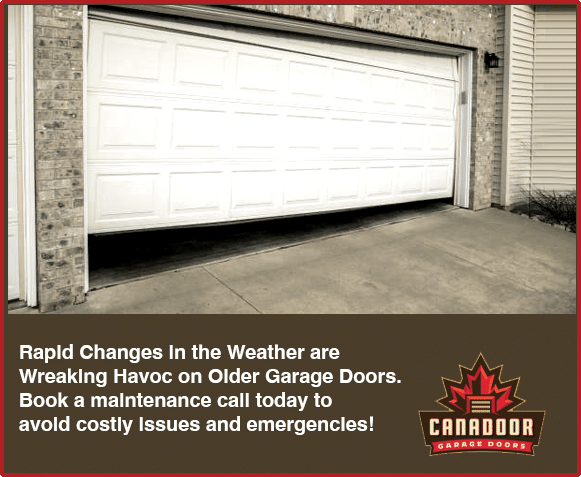
The key to avoiding those problems is recognizing early warning signs before a minor issue becomes a major failure. In this guide, we’ll cover the most common indicators that your commercial overhead door needs professional attention right away, and why quick action is the best way to protect your business.
1. The Door Moves Unevenly or Feels Unbalanced
A properly functioning commercial door should lift and lower smoothly. If you notice the door jerks, tilts, or moves unevenly, there’s likely an issue with the springs, cables, or tracks.
What’s happening:
Springs or cables may have lost tension or begun to wear out. An unbalanced door forces your opener to work harder, which can lead to premature motor failure or even a complete breakdown.
Why it matters:
An unbalanced door poses serious safety risks. A cable could snap or the door could drop unexpectedly, putting employees, vehicles, and equipment in danger.
Example: A Barrie logistics warehouse reported a door that was closing at an angle. A technician discovered a frayed cable ready to break. Replacing it immediately prevented a potential accident and full door collapse.
2. Loud or Unusual Noises During Operation
Commercial overhead doors make some noise, but grinding, screeching, or banging sounds are red flags.
What’s happening:
Loud noises often signal loose hardware, worn rollers, misaligned tracks, or lack of lubrication. The longer the problem goes unaddressed, the greater the risk of damaging other parts of the system.
Why it matters:
Noisy doors aren’t just annoying—they’re often the first sign of mechanical wear. Ignoring these sounds can lead to sudden breakdowns or the need for full component replacement.
Tip: Schedule regular lubrication and inspections as part of your maintenance plan to keep your doors operating quietly and efficiently.
3. The Door Doesn’t Open or Close Fully
If your overhead door stops halfway, refuses to open, or reverses unexpectedly, there’s a deeper issue at play.
What’s happening:
This problem could be related to misaligned sensors, a faulty opener, broken springs, or track obstructions. For commercial settings with heavy doors, even small misalignments can strain the entire system.
Why it matters:
When a door won’t close fully, it compromises security and safety. A half-open loading bay invites theft, weather damage, and pests—especially during Ontario winters.
Example: A Sudbury auto repair shop noticed one of its overhead doors would not close completely. The issue turned out to be a failing limit switch. Replacing it restored full functionality and kept their vehicles secure overnight.
4. Delayed Response or Slow Operation
Commercial overhead doors are designed for efficiency. If the door takes noticeably longer to open or close, or if there’s a delay after pressing the control, the system may be struggling.
What’s happening:
This could indicate worn motor gears, electrical issues, or problems with the door’s balance. Slow operation also occurs when dirt or debris builds up in the tracks or when lubrication has dried out.
Why it matters:
Slow doors disrupt workflow and can quickly add up to lost time in busy facilities. In extreme cases, sluggish movement could precede a complete failure of the opener or springs.
Tip: Monitor your door’s response time. A gradual slowdown is often a sign that servicing is overdue.
5. Visible Damage to Panels or Tracks
Dents, cracks, or bent tracks may seem cosmetic at first, but they can quickly interfere with performance. When a panel is damaged, it may cause misalignment or prevent the door from sealing properly.
What’s happening:
Repeated impacts from forklifts, delivery vehicles, or loading equipment often bend panels or tracks. Even a small bend can prevent the rollers from gliding smoothly, putting pressure on hinges and opener components.
Why it matters:
A damaged panel reduces insulation, lets in drafts, and weakens the door’s structure. In some cases, replacing one panel may fix the problem—but if multiple sections are affected, full replacement is the safer and more cost-effective option.
Example: A distribution center in Collingwood ignored a minor track bend for several months. Eventually, the rollers popped out, forcing a costly emergency repair.
6. Safety Sensors Aren’t Working Properly
Safety sensors prevent the door from closing when something—or someone—is in the way. If they stop working, the door could close unexpectedly, causing injury or damage.
What’s happening:
Misaligned or dirty sensors can cause false readings. Electrical failures can also disable the auto-reverse feature.
Why it matters:
Sensor failures are not only dangerous but also a violation of safety standards for commercial operations. All automatic doors should have functioning safety features at all times.
Quick check: If your door reverses for no reason or won’t close unless you hold the control button, your sensors need attention immediately.
7. The Door Feels Heavier Than Usual
When operating manually, a well-balanced overhead door should lift easily. If it suddenly feels heavier, it’s a clear sign the springs or counterbalance system are wearing out.
What’s happening:
Springs bear most of the door’s weight. As they weaken, they transfer strain to the opener and other parts. This increases the risk of spring breakage or motor burnout.
Why it matters:
A door that feels heavy is not just inconvenient—it’s dangerous. If a spring snaps, the door can fall suddenly and cause serious injury.
8. Increasing Energy Costs or Drafts
Commercial buildings in Ontario face extreme temperature changes. If you’ve noticed drafts or temperature fluctuations near your overhead doors, worn weather seals or poor insulation could be to blame.
What’s happening:
Cracked seals or gaps between panels let outside air in, forcing your HVAC system to work harder. Older doors without proper insulation are especially inefficient in cold climates.
Why it matters:
Replacing weather seals or upgrading to insulated doors can significantly reduce energy costs. In heated warehouses or workshops, energy-efficient doors pay for themselves over time.
9. Frequent Repairs or Aging Equipment
Even the best commercial doors have a lifespan. If your overhead door needs service multiple times per year, or if it’s more than 15–20 years old, replacement may be the more practical choice.
What’s happening:
As doors age, parts wear faster and compatibility with modern openers or safety standards declines. Repeated repairs often signal the system has reached the end of its reliable life cycle.
Why it matters:
A new commercial door offers smoother operation, improved safety, and lower maintenance costs. Modern systems also include smart technology and energy-efficient materials suited for today’s facilities.
Why Quick Action Matters
Ignoring signs of trouble rarely saves money. What starts as a minor squeak or delay can escalate into a major repair—or worse, an emergency shutdown.
Prompt maintenance and inspection keep your doors reliable, protect your employees, and minimize downtime. Most importantly, addressing small issues early extends the life of your door and reduces long-term operating costs.
Call the Professionals at Canadoor Garage Doors
At Canadoor Garage Doors, we understand how crucial reliable commercial doors are to your daily operations. Since 2009, we’ve helped businesses across Barrie, Sudbury, and the Greater Toronto Area with expert repairs, maintenance, and replacements.
Our certified technicians handle everything from spring and cable replacements to full overhead door installations, using only high-quality parts and manufacturer-approved methods.
Whether your door is slow, noisy, or unresponsive, we can diagnose and fix the issue quickly—before it disrupts your business.
Your commercial overhead door is a workhorse, but it needs regular care to stay that way. If you notice uneven movement, loud noises, or any other warning signs, don’t wait for a complete failure.
Call Canadoor Garage Doors today to schedule a service visit or inspection. We provide fast, reliable commercial door repairs across Barrie, Simcoe County, and surrounding Ontario communities—keeping your business moving safely and efficiently.