
Why Your Garage Door Struggles in Winter and How to Fix It
Winter is hard on your home, and your garage door is no exception. As temperatures drop, many homeowners notice their garage door moving slower, making more noise, or refusing to open at all. Cold air, moisture, ice, and temperature swings all place added stress on garage door components. Understanding why these problems occur and how to fix them can help you avoid breakdowns, protect your vehicle, and keep your home safe all season long.
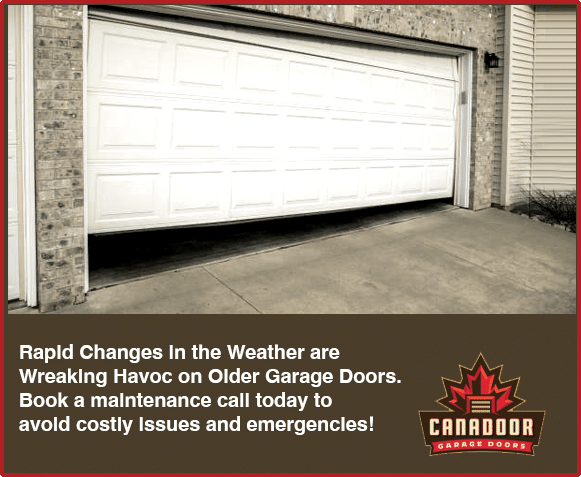
Below are the most common reasons garage doors struggle in winter and what you can do to keep yours working smoothly.
Cold Temperatures Affect Metal Components
Garage doors rely on metal parts such as springs, tracks, rollers, hinges, and cables. In cold weather, metal contracts. This contraction increases friction and puts added strain on moving parts.
When springs lose flexibility, they struggle to lift the door efficiently. Rollers and hinges become stiff, and tracks can tighten just enough to disrupt smooth movement. The result is a door that moves slowly, jerks during operation, or stops partway.
How to fix it:
Use a silicone based lubricant designed for garage doors on springs, rollers, hinges, and bearings. Avoid thick grease, which can harden in the cold. Lubricate every few months during winter for best results.
Thickened Lubricants Cause Slow or Noisy Operation
Many garage doors are lubricated with products that work well in warm weather but thicken in winter. When this happens, the door must work harder to move, increasing strain on the opener and hardware.
You may hear grinding, squeaking, or popping noises, especially first thing in the morning.
How to fix it:
Clean old lubricant from moving parts and reapply a cold weather rated silicone spray. This helps restore smooth operation and reduces noise.
Frozen Garage Door to the Ground
One of the most common winter problems is a garage door frozen shut. Snow melts during the day, collects at the bottom seal, and refreezes overnight. When you try to open the door, it feels stuck or refuses to move.
Forcing the door open can damage the weather seal or burn out the opener motor.
How to fix it:
Gently melt the ice using warm water or a hair dryer. Avoid using sharp tools that could damage the seal. Once open, dry the area and clear away snow buildup. Replacing worn weather stripping also helps prevent this issue from returning.
Weak or Failing Garage Door Springs
Garage door springs work harder in winter because cold metal loses elasticity. If your springs are already worn, winter conditions can push them past their limit.
Signs of spring trouble include the door feeling heavier than usual, opening unevenly, or stopping partway. A loud bang from the garage may indicate a broken spring.
How to fix it:
Do not attempt to repair springs yourself. Garage door springs are under extreme tension and can be dangerous. Call a professional technician to inspect and replace worn or broken springs safely.
Garage Door Opener Struggles in Cold Weather
Cold temperatures affect garage door openers too. Motors work harder when parts are stiff, and older units may struggle to generate enough force. Electronics can also be affected by condensation and cold air.
If your opener hums but does not lift the door, stops mid cycle, or responds slowly, winter conditions may be the cause.
How to fix it:
Check the opener force settings and replace remote batteries, as cold drains power quickly. If problems persist, a professional tune up may be needed to ensure the opener is balanced properly with the door.
Misaligned or Blocked Safety Sensors
Garage door safety sensors prevent the door from closing on objects or people. In winter, snow, ice, and salt can block or misalign these sensors.
When this happens, the door may reverse unexpectedly or refuse to close.
How to fix it:
Clean sensor lenses with a soft cloth and make sure they face each other directly. Tighten loose brackets and clear snow or debris from the area.
Cracked or Brittle Weather Seals
Weather seals keep cold air, moisture, and pests out of your garage. Winter temperatures make rubber brittle, causing seals to crack or pull away from the door.
This leads to drafts, higher energy bills, and increased moisture buildup.
How to fix it:
Inspect bottom and side seals regularly. Replace any cracked or hardened sections to improve insulation and prevent freeze related problems.
Rust and Moisture Damage
Salt, snow, and humidity increase moisture levels around your garage door. Over time, this leads to rust on tracks, cables, and hardware.
Rust increases friction and weakens structural components.
How to fix it:
Keep tracks clean and dry whenever possible. Light surface rust can be removed, but heavily corroded parts should be replaced by a professional to maintain safety.
Lack of Preventative Maintenance
Many winter garage door problems happen because maintenance is skipped. Small issues go unnoticed until cold weather makes them worse.
Preventative maintenance identifies wear early and ensures all components are prepared for winter conditions.
What maintenance includes:
-
Lubrication of moving parts
-
Spring and cable inspection
-
Track alignment checks
-
Safety sensor testing
-
Opener performance review
Scheduling maintenance before winter arrives is the best way to prevent breakdowns.
When to Call a Professional
Some winter fixes are simple, but others require expert attention. Call a professional if:
-
The door feels heavy or uneven
-
Springs or cables appear damaged
-
The door will not open or close fully
-
The opener strains or stops frequently
-
Loud bangs or grinding noises occur
Ignoring these signs can lead to more serious damage or safety risks.
Final Thoughts
Winter places extra stress on every part of your garage door system. Cold temperatures, moisture, and ice all contribute to slower operation and unexpected failures. By understanding the causes and taking proactive steps, homeowners can keep their garage doors working safely and reliably throughout the cold season.
Regular lubrication, cleaning, and professional inspections go a long way toward preventing winter problems.
If your garage door is struggling this winter, contact Canadoor today. Our certified technicians are ready to inspect, repair, and maintain your door so it operates smoothly and safely all season long.
FAQ
Why does my garage door stop working in winter?
Cold temperatures cause metal parts to contract, lubricants to thicken, and springs to lose tension, making doors harder to open and close.
Can cold weather damage my garage door opener?
Yes. Motors work harder in winter, and condensation can affect electronics, especially in older or poorly insulated garages.
Why is my garage door frozen to the ground?
Snow melts and refreezes along the bottom seal, bonding the door to the concrete. Worn weather stripping makes this more common.
Should I lubricate my garage door in winter?
Yes. Use a silicone-based lubricant designed for cold temperatures to keep parts moving smoothly.
When should I call a professional?
If your door feels heavy, makes loud noises, stops mid-cycle, or will not open, professional service is recommended.