
How Often Should Garage Doors Be Serviced? 5 Signs It’s Time for a Tune-Up
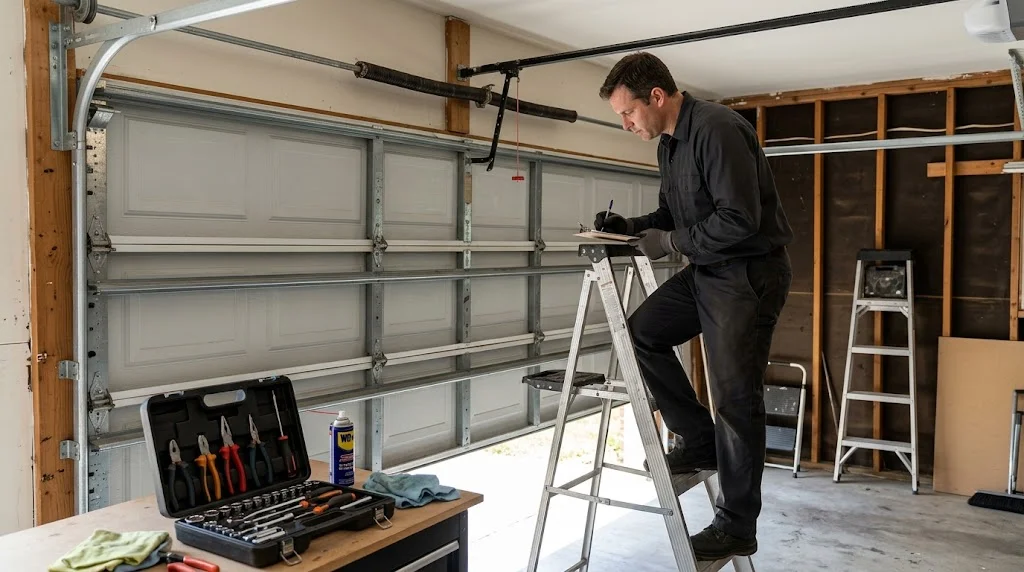
Most manufacturers recommend a professional service every 12 months, but the real answer depends on how the door is behaving right now. A handful of specific signs, unusual noise, uneven movement, sensor drift, rising energy bills, and visible wear on springs or cables, matter more than a calendar date, since a door used daily by a large family can need attention sooner than a once-a-week cottage door.
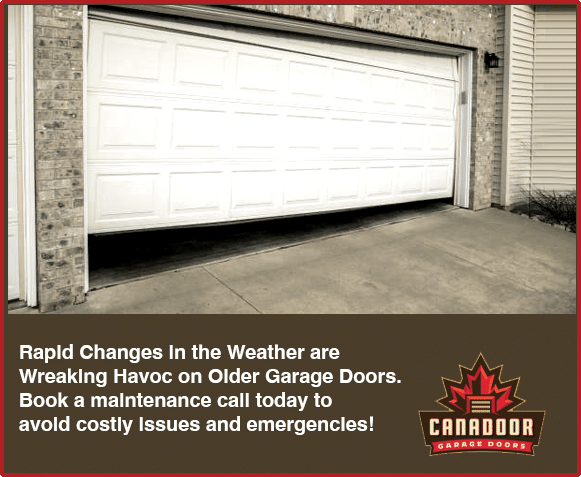
Most homeowners never think about garage door repair or servicing until something already feels off, and by then a small issue may have quietly become a bigger one. Garage doors are one of the largest moving parts in most homes, opening and closing hundreds of times a year, so it makes sense that components wear down gradually rather than all at once. Knowing what to actually watch for takes the guesswork out of deciding when to call.
Key Takeaways
- A yearly professional service is the general baseline, but usage and symptoms matter more than the calendar.
- Five signs (noise, uneven movement, sensor drift, energy bills, hardware wear) are the clearest indicators it’s time.
- Doors used multiple times a day may need service more often than the standard yearly guideline.
- Ignoring these signs tends to turn a minor adjustment into a larger, costlier repair.
Recommended Service Frequency by Household Usage
| Usage Pattern | Recommended Service Frequency |
| Light use (1-2 times daily, cottage or secondary door) | Every 18-24 months |
| Average use (typical residential garage door) | Every 12 months |
| Heavy use (multiple vehicles, frequent daily use, or a commercial garage door) | Every 6-9 months |
| Any of the 5 signs below present | As soon as reasonably possible |
If you want to read what manufacturers themselves recommend for service intervals, rather than the general guidelines above, see How Often Should You Get a Professional Garage Door Inspection? 3 Manufacturer Guidelines to Follow.
1. The Door Makes Unusual Noise
A garage door that’s been quiet for years and suddenly starts squeaking, grinding, or banging is telling you something changed.
Why New or Changing Sounds Signal It’s Time for Service
New noise almost always points to a specific cause, whether that’s a part drying out, a hinge loosening, or something more serious.
- Squeaking that wasn’t there before often means rollers or hinges need lubrication
- Grinding sounds, which can indicate wear inside the opener or track
- Banging or popping, sometimes linked to spring tension issues
A detailed breakdown of what each specific sound usually means is covered in Garage Door Noises Explained: What Squeaks, Grinding, and Banging Usually Mean, if you want to narrow down the likely cause before booking service. Sound is often the earliest warning sign a homeowner notices, simply because it’s hard to ignore once it starts, unlike wear that’s only visible on close inspection.
Call a pro if: the noise is new, getting louder, or paired with any other sign on this list.
2. The Door Moves Unevenly or Hesitates
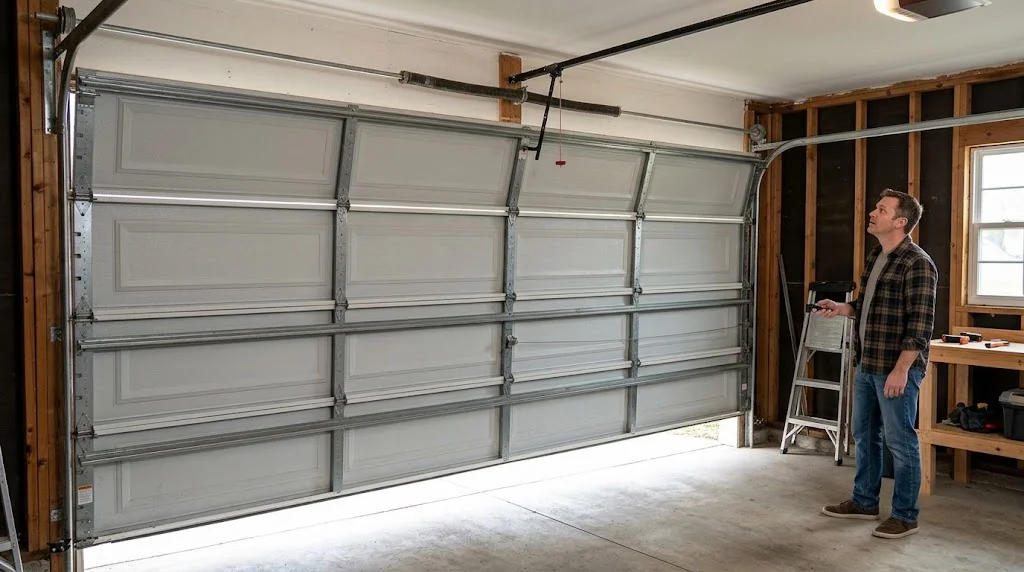
A door that opens or closes smoothly when it’s healthy will start to hesitate, jerk, or move unevenly as parts wear down or fall out of alignment.
What Jerky or Uneven Movement Means for Your Garage Door’s Condition
This is one of the more visible signs, since you’ll notice it every time you use the door.
- One side appears to drop faster or slower than the other
- The door pauses or stutters partway through its cycle
- Noticeably more effort is needed to lift the door manually
Left unaddressed, uneven movement tends to place extra strain on the opener and hardware, which is often how a manageable issue turns into a bigger repair down the line. It’s also one of the more useful signs for homeowners specifically because it doesn’t require any special knowledge to notice; you simply feel or see it every time the door is used.
Call a pro if: the door visibly tilts, drops unevenly, or requires noticeably more force than it used to.
For a closer look at what actually happens when signs like this go unaddressed, read What Happens If You Skip Garage Door Maintenance? 4 Costly Problems to Expect.
3. The Safety Sensors Seem Off
Modern garage door openers rely on a pair of safety sensors near the floor to detect obstructions.
Why Sensor Drift Is a Clear Signal for Scheduled Maintenance
Over time, vibration, bumps, or minor shifts can knock these sensors slightly out of alignment, which shows up as inconsistent reversing behavior or a door that won’t close at all.
- The door reverses without any visible obstruction present
- The door refuses to close, with a blinking light on the opener
- Sensor behavior seems inconsistent from one use to the next
If you’re dealing with this specific symptom right now, How to Fix Garage Door Sensor Alignment walks through the fix directly. As a signal, though, sensor drift is a good prompt to book a fuller service rather than just realigning the sensors and moving on, since repeated drift is often a symptom of a larger issue rather than an isolated one-time event.
Call a pro if: the sensors have needed realignment more than once in a short period, since that often points to a bigger vibration or mounting issue.
For where a quick sensor check like this fits alongside the tasks better left to a professional, read DIY Garage Door Checks vs. Professional Service: How Often Should You Do Each? 3 Key Differences.
4. Your Energy Bills Have Crept Up
An attached garage shares walls with the rest of the house, and a door that’s lost its seal, warped slightly, or developed gaps lets outside air in more than it should.
How a Garage Door’s Condition Can Affect Home Energy Efficiency
This isn’t the first thing most homeowners think of, but it’s a real, measurable sign worth watching.
- Visible daylight around the door’s edges when closed
- A garage that feels noticeably colder or hotter than it used to
- A gradual, unexplained rise in heating or cooling costs
This sign tends to build up slowly, which is exactly why it’s easy to miss until a service visit catches it directly. Weatherstripping and seals naturally degrade with age and temperature swings, and a technician checking these during a routine visit can often spot the problem well before it shows up clearly on a utility bill.
Call a pro if: you notice a real energy bill increase alongside visible gaps or drafts around the door. Bob Vila’s guide on choosing a garage door notes that a well-insulated door can keep a garage significantly warmer in cold weather, which underscores just how much a door’s condition affects the energy efficiency of the whole home, not just the garage itself.
5. Springs, Cables, or Hardware Show Visible Wear
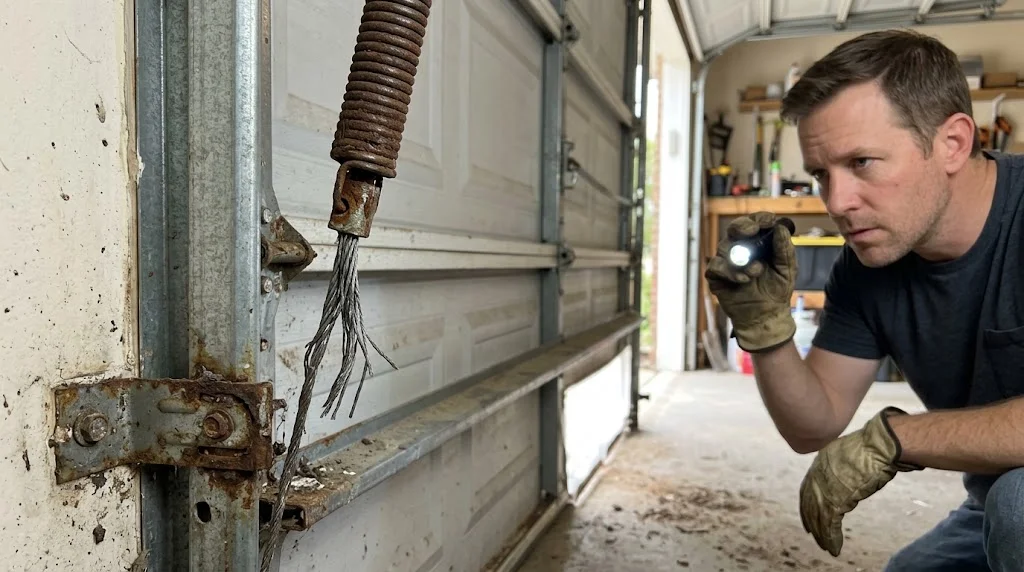
Springs and cables carry enormous tension and have a defined service life.
What Visible Wear on Springs and Cables Tells You About Service Timing
Visible wear, rust, fraying, or gaps in the coils is one of the clearest, least ambiguous signs on this list, and also one of the most safety-critical.
- Visible rust or corrosion on springs or cables
- Fraying strands on a lift cable
- Gaps or unevenness between spring coils
- Hardware that looks stretched, bent, or loose
For the full picture on spring lifespan specifically, How Often Should You Replace Garage Door Springs? A Homeowner’s Guide covers that in detail. As a general service signal, visible hardware wear should move a service call up the priority list, since spring and cable failure is one of the more dangerous garage door issues a home can have. Unlike some of the other signs on this list, this one carries a real safety dimension, not just a cost or convenience one.
Call a pro if: you can see rust, fraying, or visible wear on any spring or cable. Don’t attempt to inspect or adjust these components yourself. Angi’s guide on managing a broken garage door spring notes that springs typically last seven to fifteen years depending on type and usage, which is a useful benchmark for judging whether visible wear is early or overdue.
The Value of Servicing Before Something Breaks
A yearly baseline is a reasonable starting point, but the five signs above are what actually determine timing in practice. Catching wear early is consistently less expensive and less disruptive than waiting for a full failure, and it’s also safer, since components like springs and cables become more dangerous the longer they’re neglected. At Canadoor Garage Doors, a standard service visit checks all five of these areas in a single appointment. Contact us or give us a call to schedule a tune-up before a small issue becomes a bigger one.
Frequently Asked Questions
Can I do garage door maintenance myself?
Some basic tasks, like visually checking for wear or keeping the tracks clean, are reasonable for homeowners to do. Anything involving springs, cables, or the opener's internal mechanisms should be left to a trained technician.
What happens if I skip garage door service entirely?
Minor issues tend to compound over time, turning a simple adjustment into a more involved and expensive repair. Some of the neglected components, like springs and cables, also become more dangerous the longer they go unaddressed.
Is a noisy garage door always a sign of a serious problem?
Not always. Sometimes it's as simple as a roller needing lubrication. But new or worsening noise is still worth a look, since it's often the earliest sign something has changed.
How much does a standard service visit typically cost?
Pricing varies by company and by what the service includes, generally ranging from a modest inspection fee up to a higher figure if adjustments or part replacements are needed during the visit. A reputable company should give you a clear estimate before starting.
Does the type of garage door affect how often it needs service?
Yes, to some degree. Heavier doors, like solid wood or insulated steel doors, place more strain on springs and openers, which can shorten the interval between recommended services compared to lighter doors. A commercial door under frequent daily cycling typically needs service more often than a standard residential door as well.
Should a brand-new garage door be serviced too, or just older ones?
Yes. New doors benefit from an initial check after the first few months of regular use, since components settle in and initial adjustments sometimes need fine-tuning even on new installations.
What's included in a typical garage door service visit?
A thorough visit usually covers lubrication, hardware inspection, spring and cable checks, sensor alignment, track alignment, and a general test of balance and movement. Ask your service provider directly what's included in their standard visit.
Can weather affect how often a garage door needs service?
Yes. Homes in areas with harsh winters or big seasonal temperature swings often see more wear on seals, springs, and hardware, which can mean shorter intervals between recommended services.
How do I know if a noise or issue is urgent versus something that can wait for a scheduled visit?
Anything involving visible spring or cable damage, a door that won't stay open safely, or sudden, sharp changes in behavior should be treated as urgent. Gradual noise or minor stiffness can usually wait for your next scheduled service.